Looking back for the year-end post, this is what I discovered:
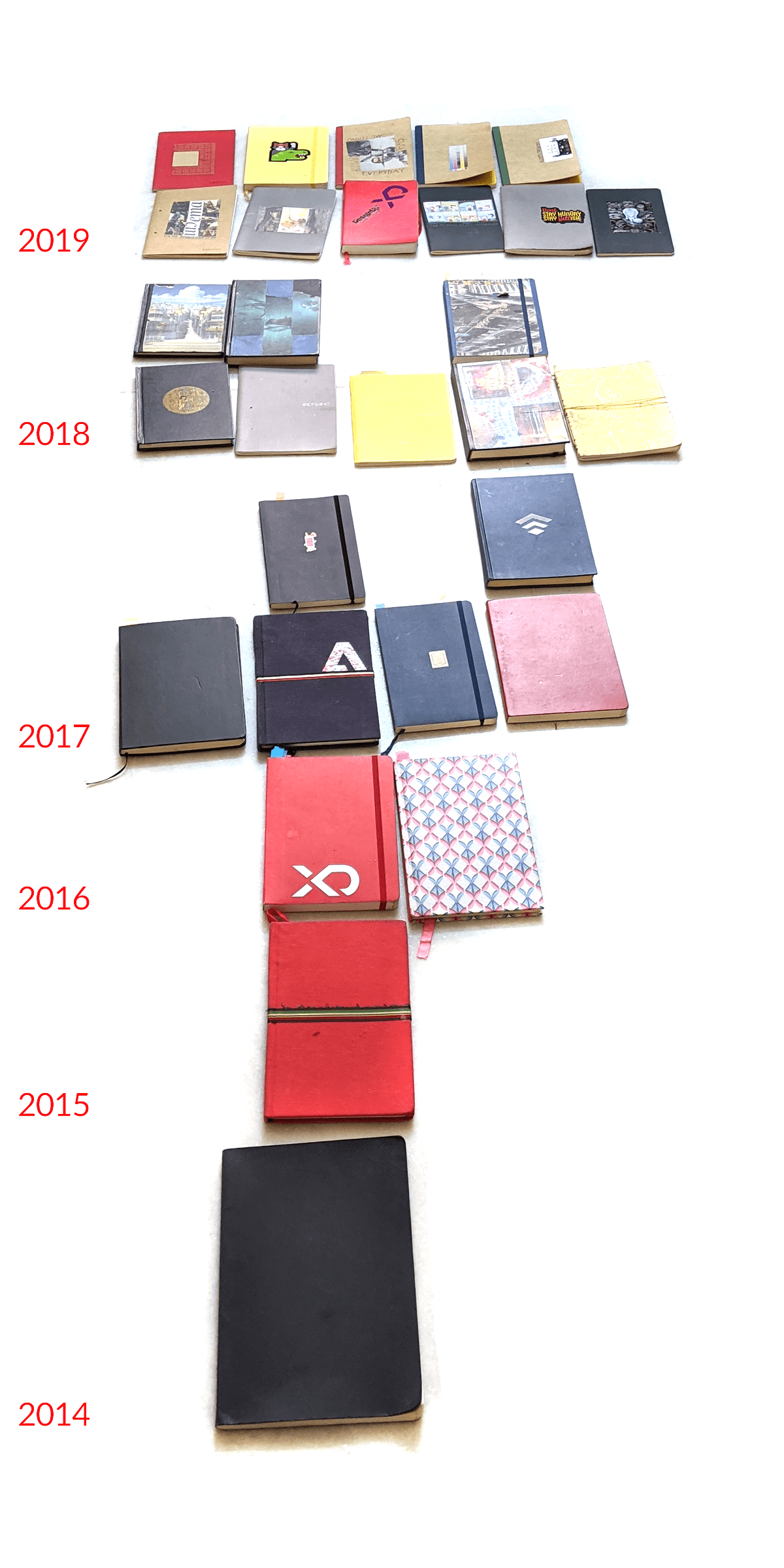
29 sketchbooks in 6 years! Not bad at all! And before 2014 I have about 98 more, shown here, over the years of 2002-2013.
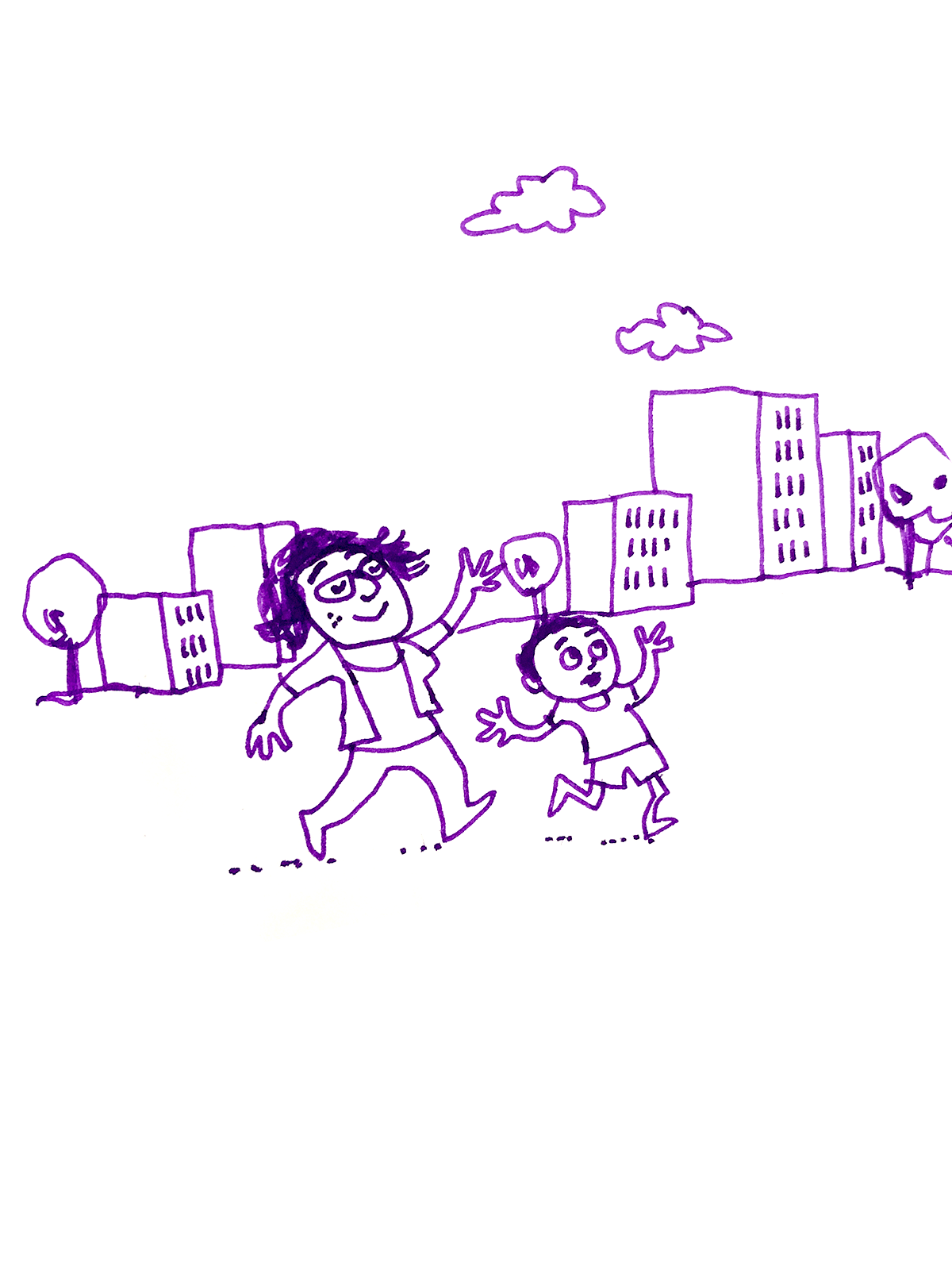
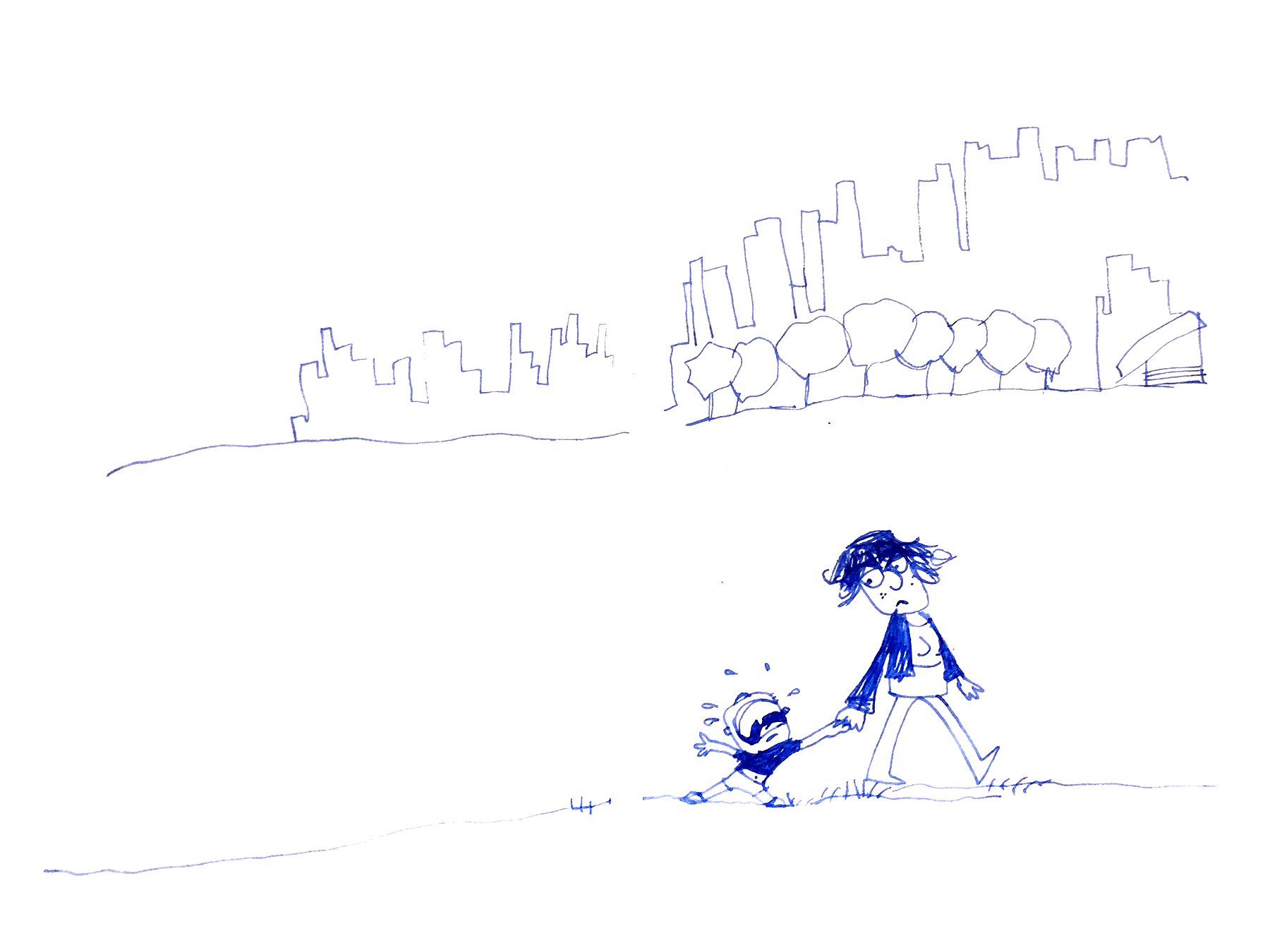
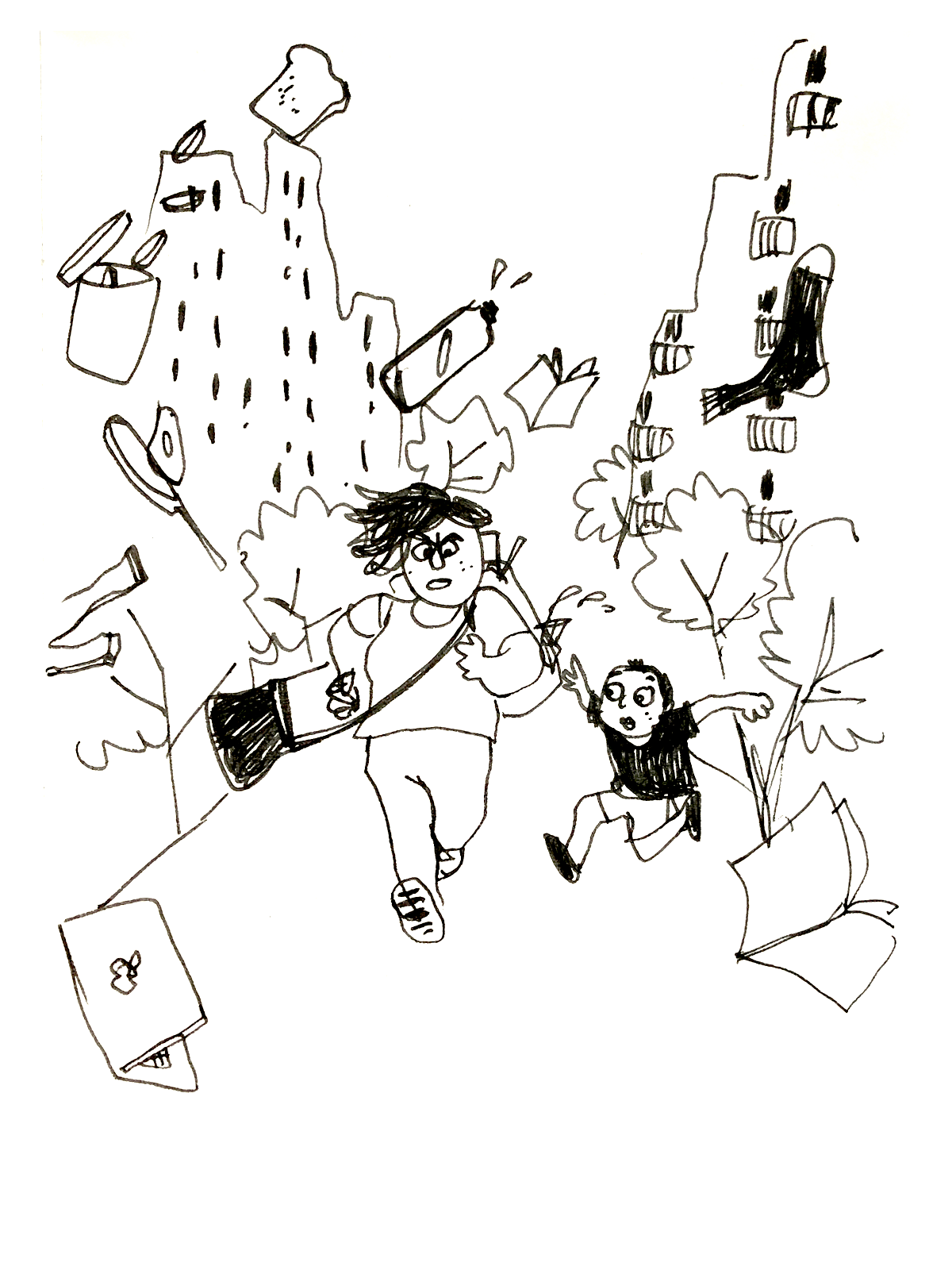
I’m so proud of myself for persisting with keeping a drawing journal, despite challenges! When my son was born in 2015, I couldn’t draw for the first 2 years of being a parent…I also couldn’t draw when we got married and was jealous of the the brown boy‘s constant talent! And some other times I was just lazy….
It’s always such a struggle to make time for improving my drawing skills and the craft of storytelling through drawing.
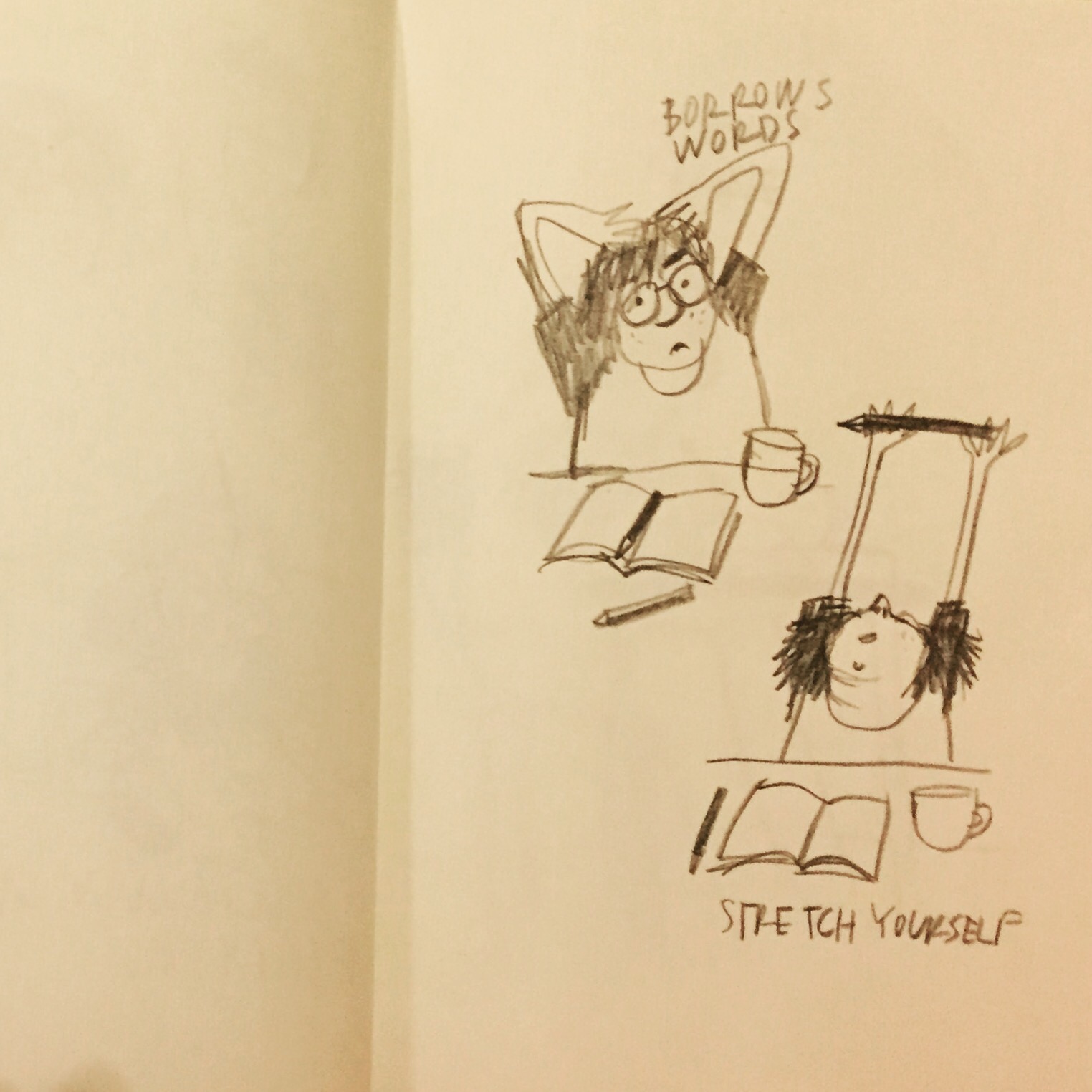
(Drawing from 2015)
Like most hobbies there are few overlaps with my professional skills, but it’s the need for creation and expression that has persisted throughout. Some wise person once said it’s almost like you are the channel through which the expression manifests…and it sometimes does feel like that.
Drawing just after returning to work from maternity leave
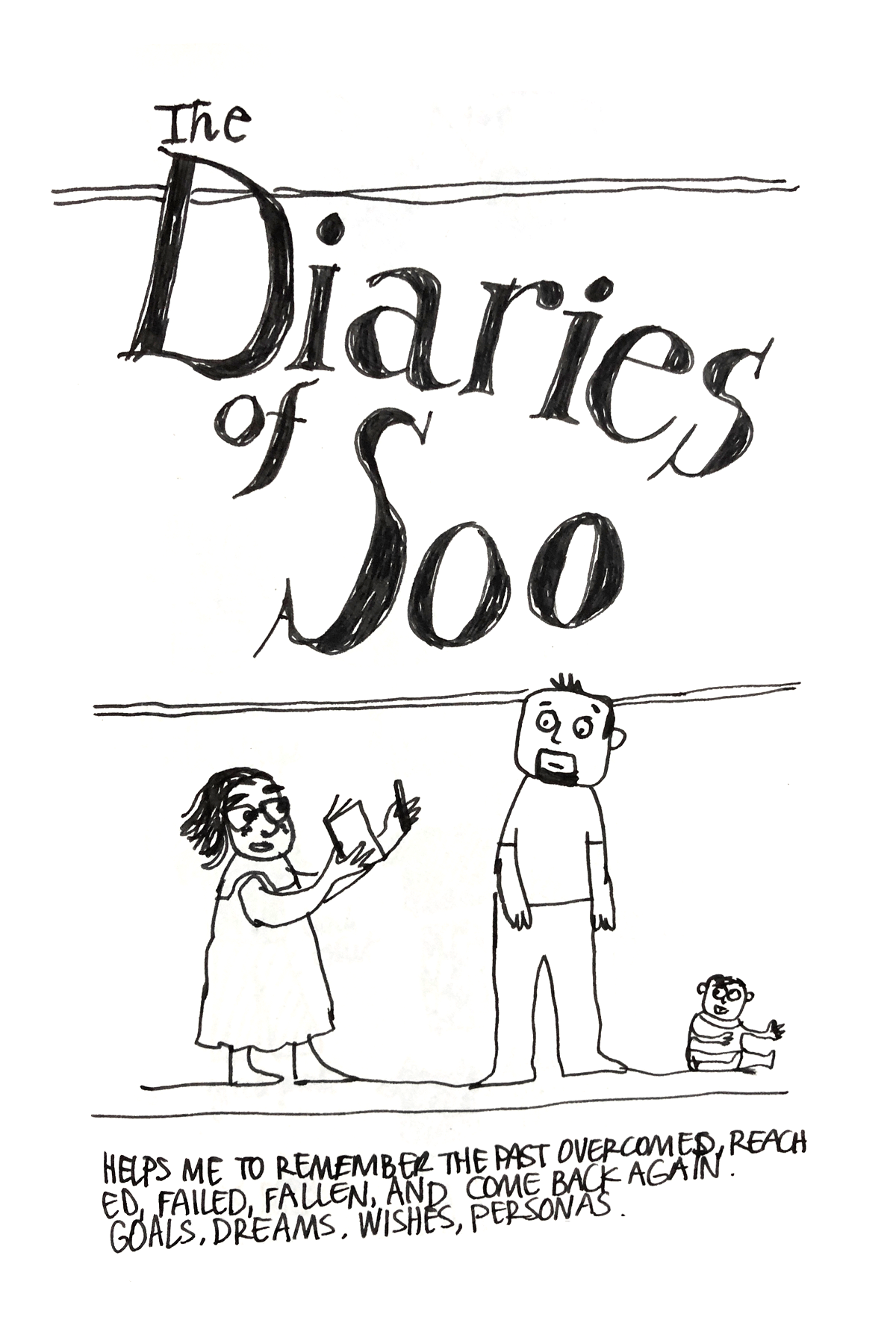
For Basu, journaling is a process of making life. She shared with us that through these “letters for her future self” she “often remember(s) forgotten wishes and goals or events” that shaped her. It’s delightful to stroll through the worries and victories of her daily life. One can trace the arc of the conversation the young designer has had with herself over the years and feel like a confidential encounter has taken place.
So here’s to more drawing, more feedback and commentary from friends and well-wishers who see me drawing in real life – and onwards to 2020!
I read about 25 books this year, as compared to 33 books last year and 26 books in 2017. I try to have a healthy average around the number of books I read, since my reading habit also makes me who I am, but I’m not fixated into gamifying it by making it a challenge or beating my last years’ goals or anything like that! How about you? Do you keep a count of the books you read?
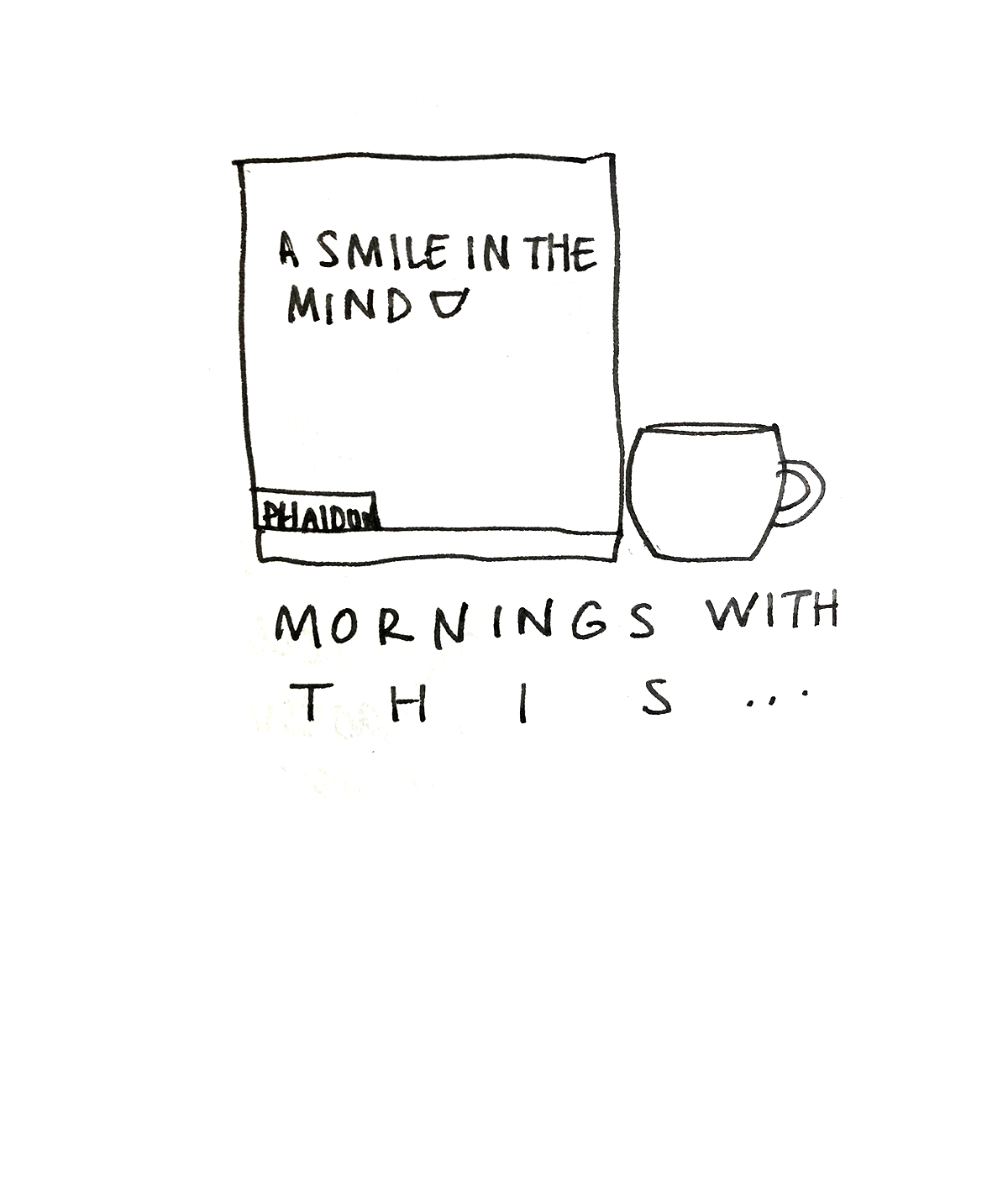
In 2019 I found that I read quite a bit of fiction, non-fiction and design books – and I’m still reading a couple of them. Also, if anything resonates with me, I often make quick drawings in my sketchbook while reading. It’s always interesting to go back and see which books sparked off drawings. On Kindle sometimes I leave tons of notes and highlights for myself, but drawing is usually much more alive!
Lots of great books this year:
Sapiens: I was late to the party but so good, nevertheless. Now looking forward to reading his other book.
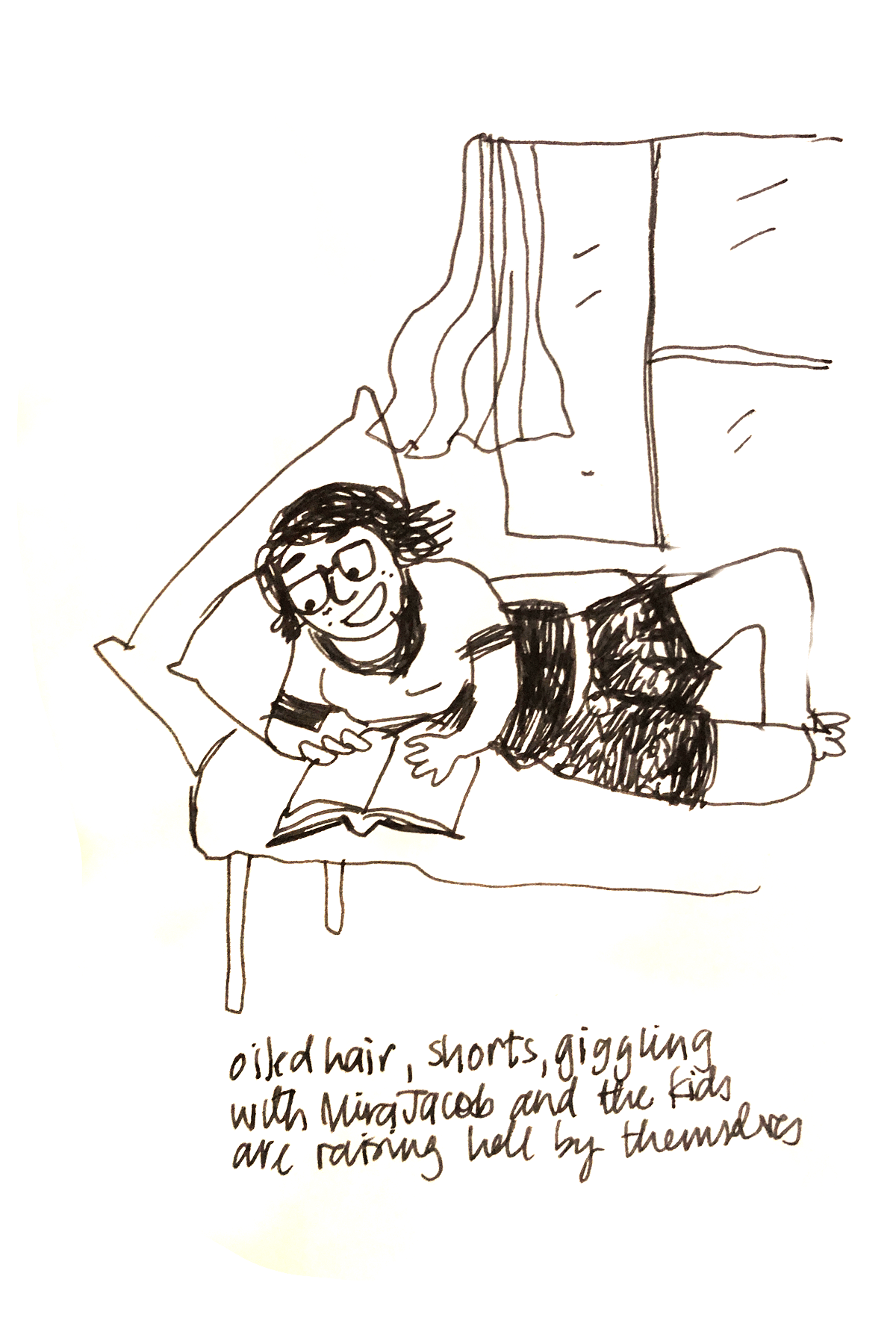
Good Talk: I laughed and giggled through this one Sunday. If you’ve ever had to think about your race or felt uncomfortable about your identity you’ll relate to this graphic novel by Mira Jacob. (I also loved Americanah by Chimananda Ngozi Adichie, obviously the defining book in this genre). Though Mira Jacob’s visual language didn’t appeal to me at first, it grew on me as I read, and integrated with the storytelling and the humor to emerge as an excellent read.
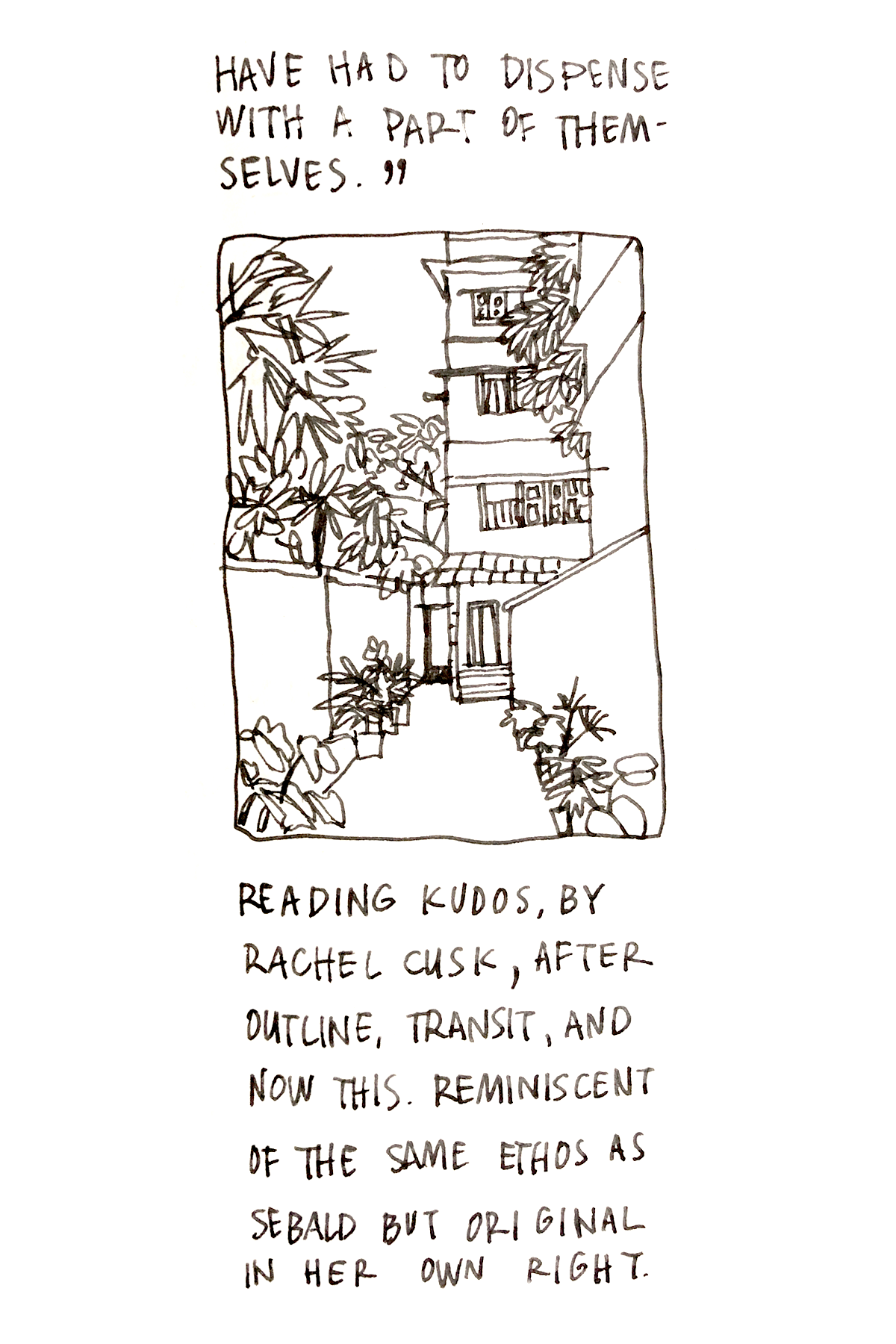
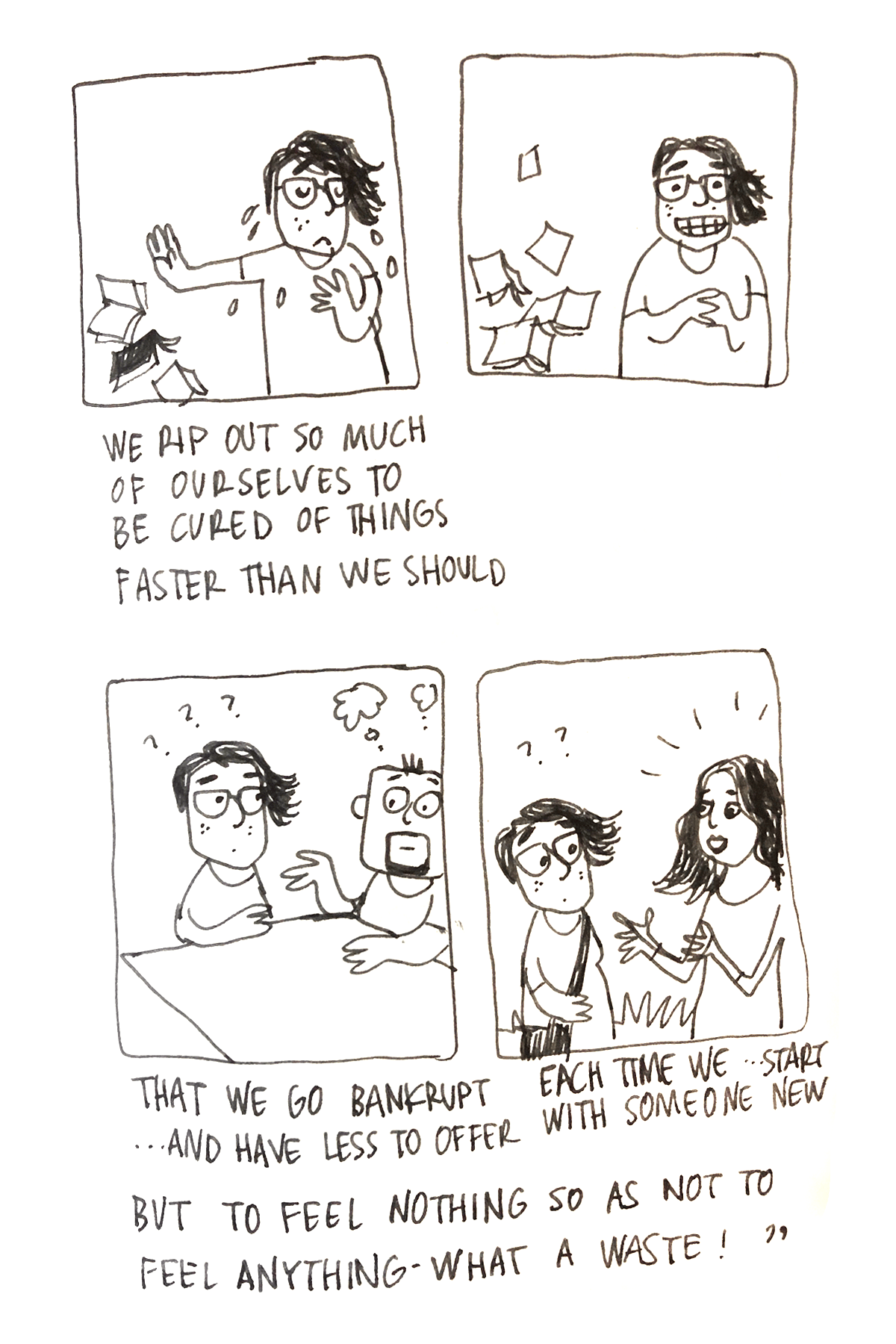
Here are a few drawings made while reading Kudos by Rachel Cusk in Kolkata. Rachel Cusk has an amazing sense of storytelling, unique in it’s own way in the way she develops her characters. I will probably re-read this trilogy again.
Books that are movies:
Call Me by Your Name: Watch the movie. Then read the book. Each is wonderful in its own right.
Withdrawal can be a terrible thing when it keeps us awake at night, and watching others forget us sooner than we’d want to be forgotten is no better. We rip out so much of ourselves to be cured of things faster than we should that we go bankrupt by the age of thirty and have less to offer each time we start with someone new. But to feel nothing so as not to feel anything — what a waste!”
The Little Drummer Girl: I enjoyed both the book by John le Carré, and the TV miniseries. John le Carré is a master of craft, so I read not only for the story but also the language and the storytelling. The TV series was fabulously crafted by Chan-wook Park – the first time I watched anything by him and it was spectacular.
At the end of the year, I gave up a few books not worth the time, and I’m still reading The Year of the Monkey and a couple of other design books.
Someone once said that the point of reading is not to to see how many you can get through, but how many can get through to you!
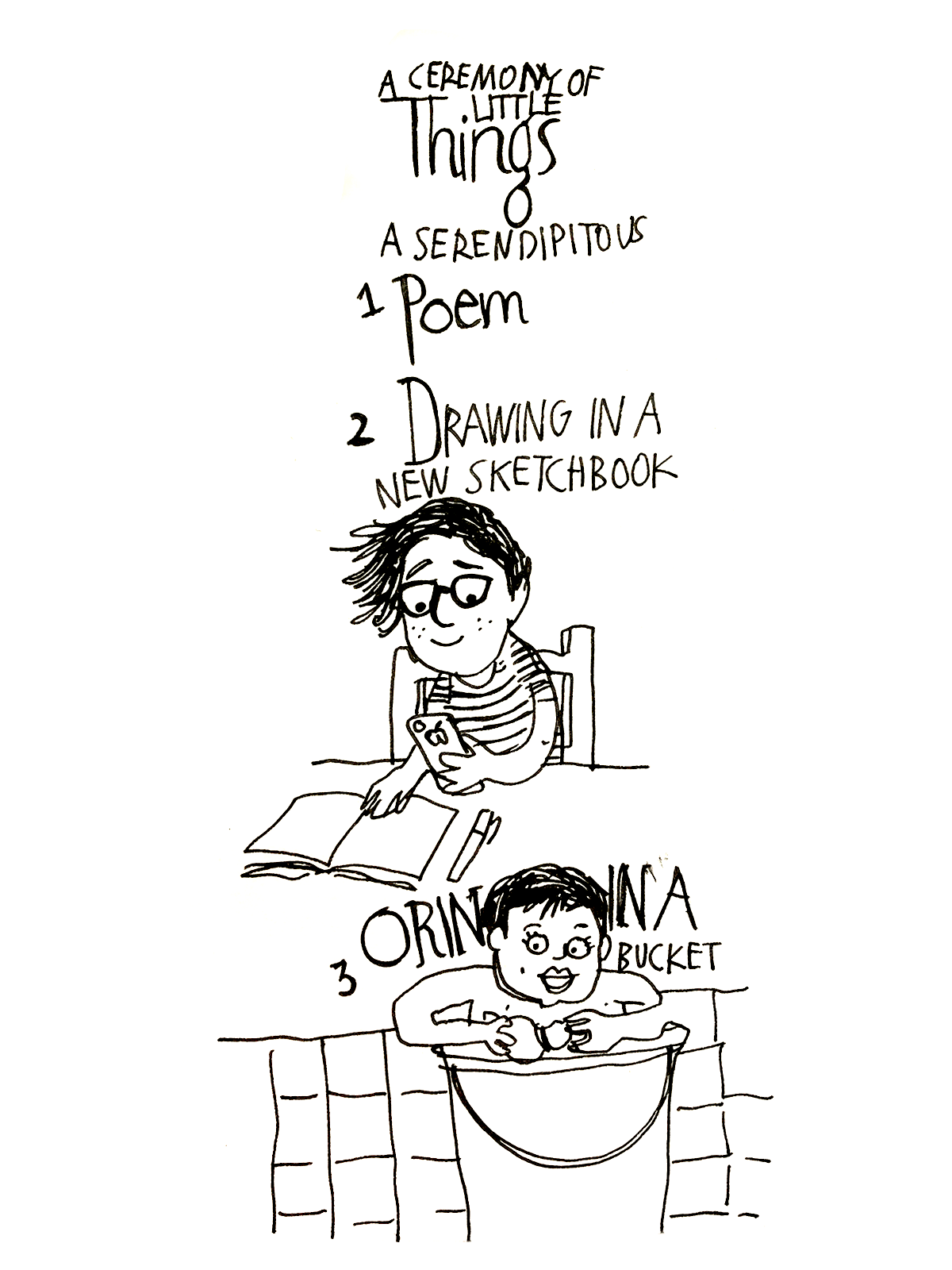
Last week we went on a holiday to Istanbul. It was only five days so we only stayed in Istanbul, exploring the city and so on. Unlike otherholidays, the brown boy didn’t have to feed Orin this time!
Istanbul is such a beautiful, picturesque city with so much character.
Skyline with minarets, narrow lanes with cobbled streets…
We loved the food, starting with the street food, Simit, roasted chestnuts and Turkish coffee.
We were also really interested in seeing the Byzantium remains around the city, but we mainly saw the outstanding Hagia Sophia, the moody Basilica Cistern and the Stone of Million.
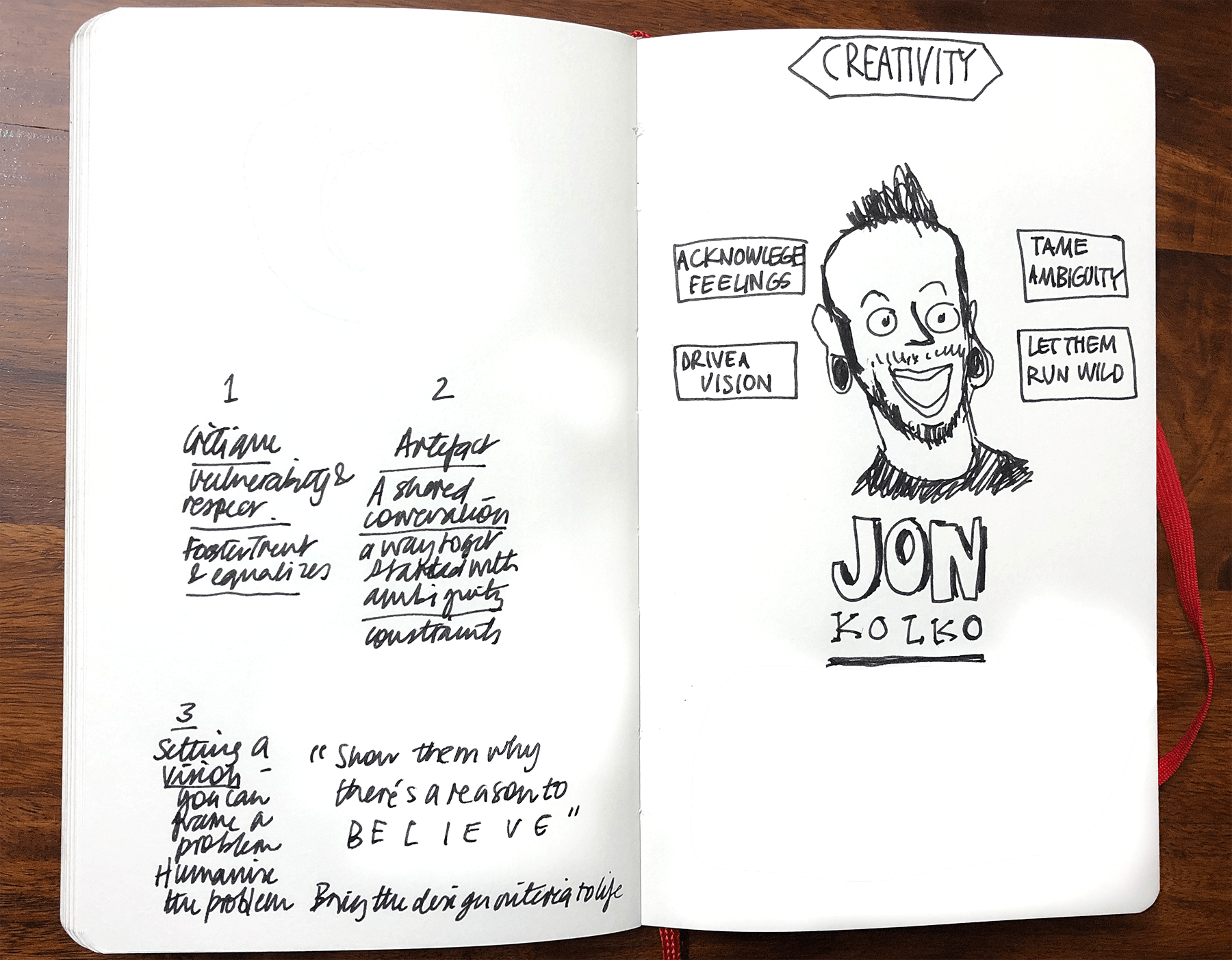
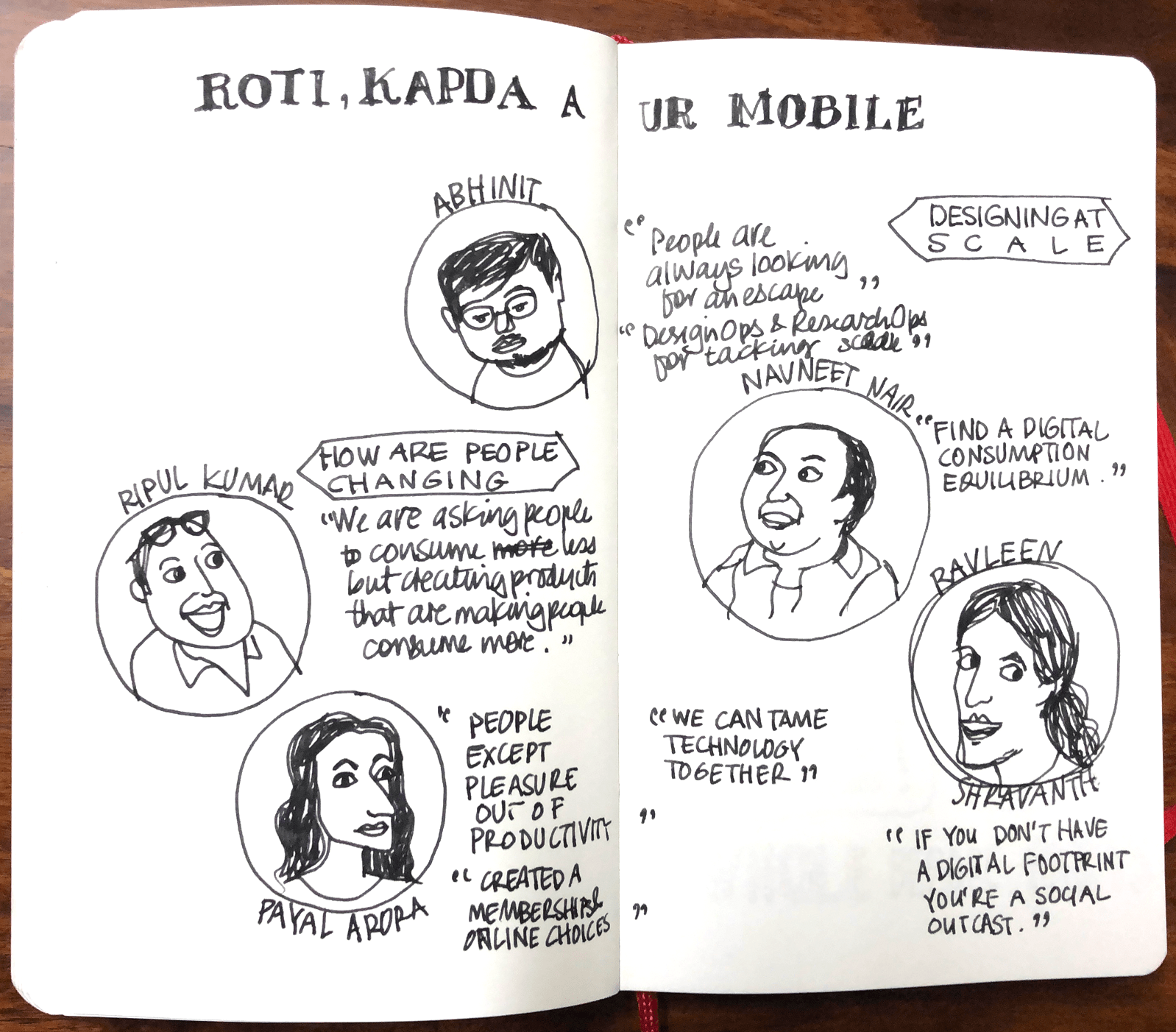
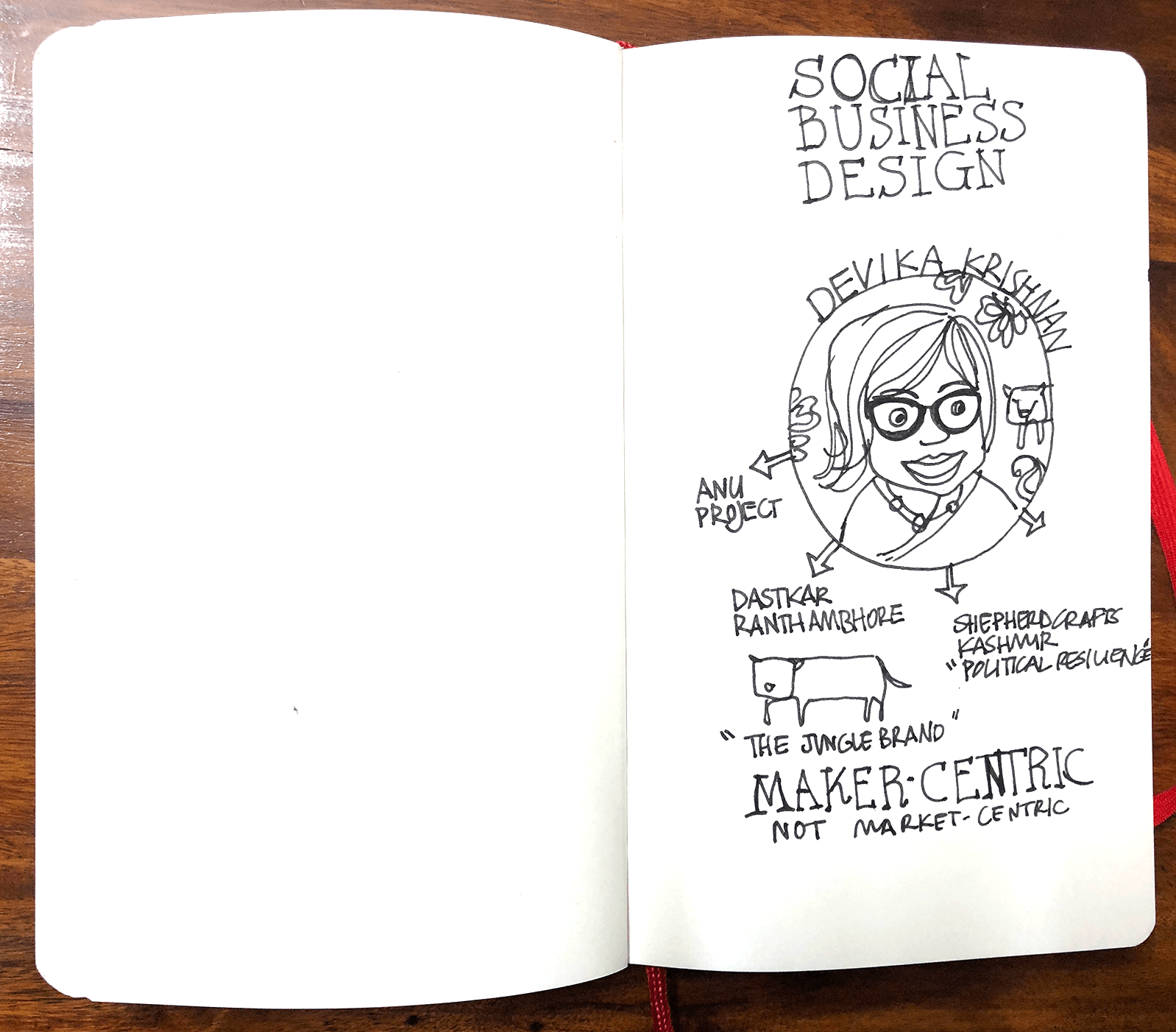
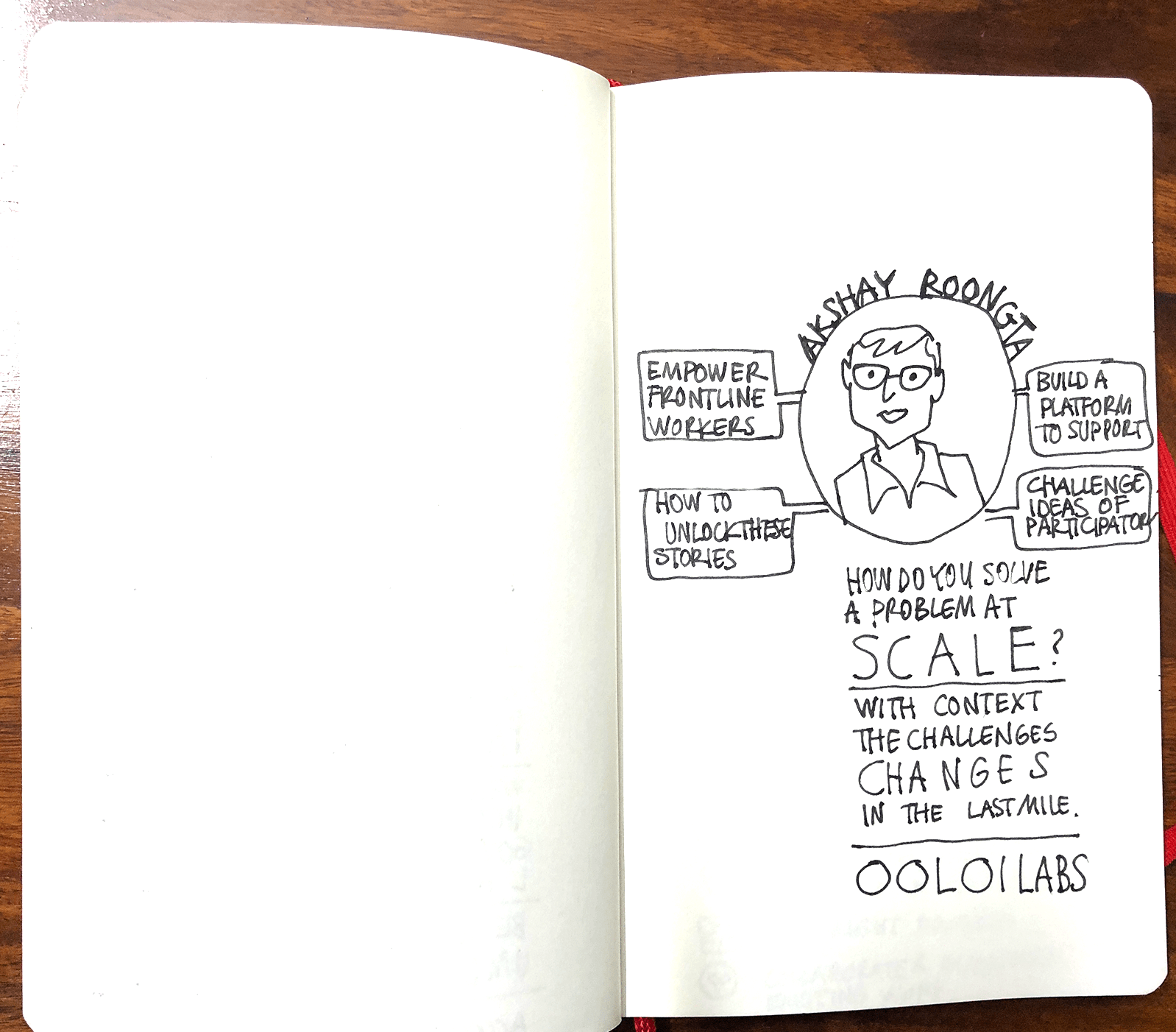
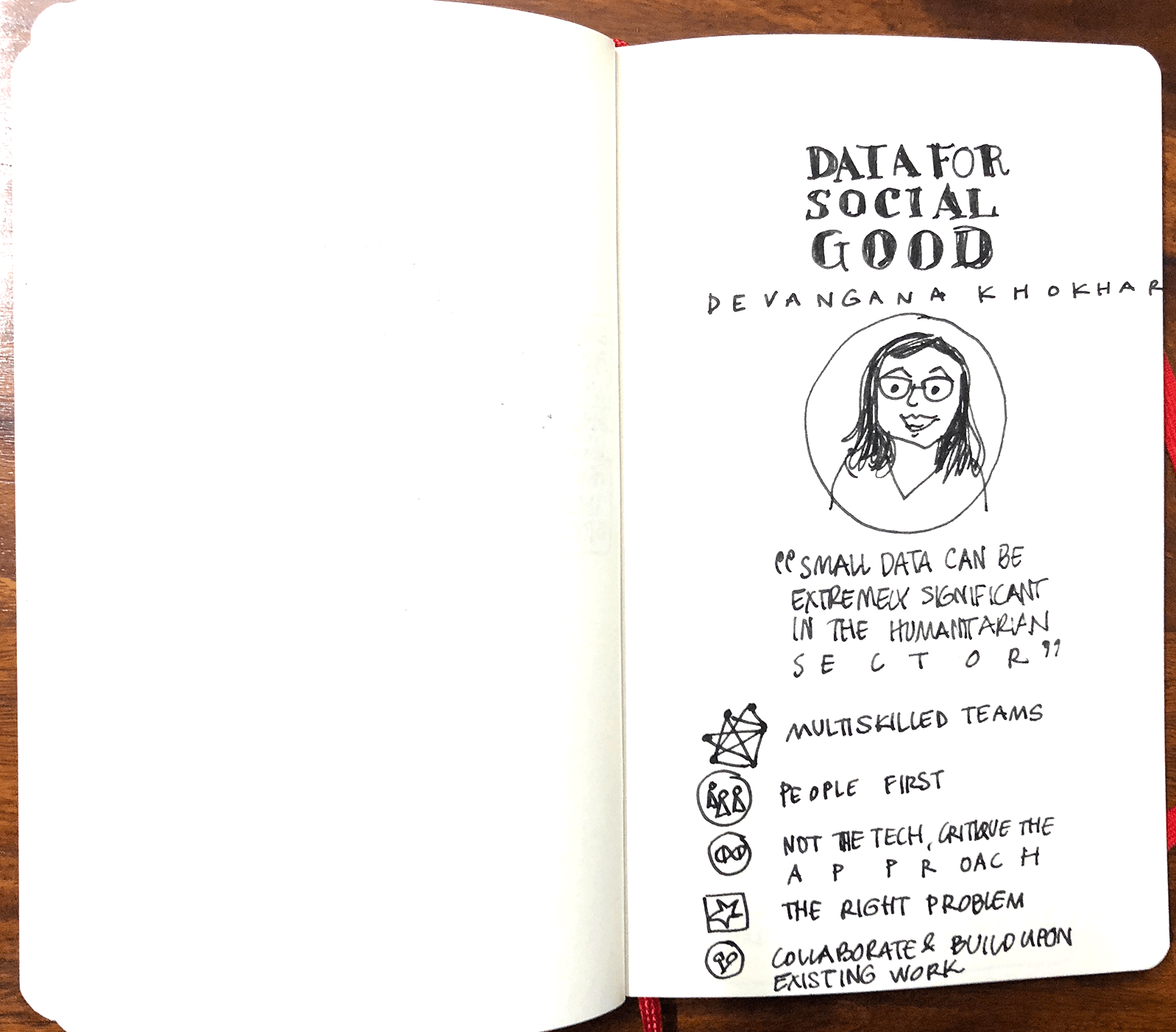
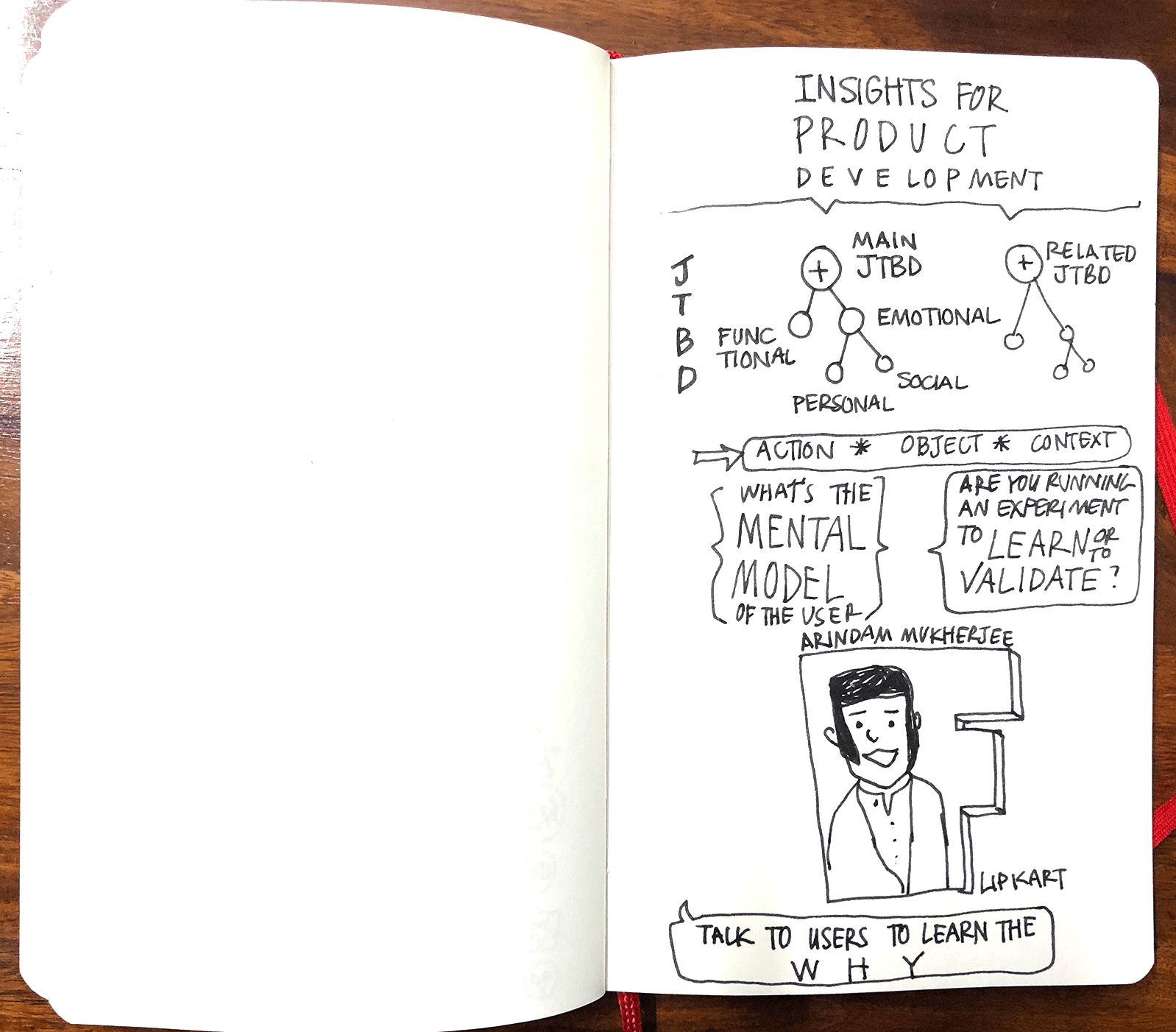
I just came back from DesignUp 2019 which isn’t just a design conference, it’s made by designers for designers. This year it was bigger and better than ever. In the conference lineup there was a mix of data+design, the pluralities that exist in India with design for the social sector, design leadership and a number of varied workshops. Here are the sketchnotes of the talks I attended:
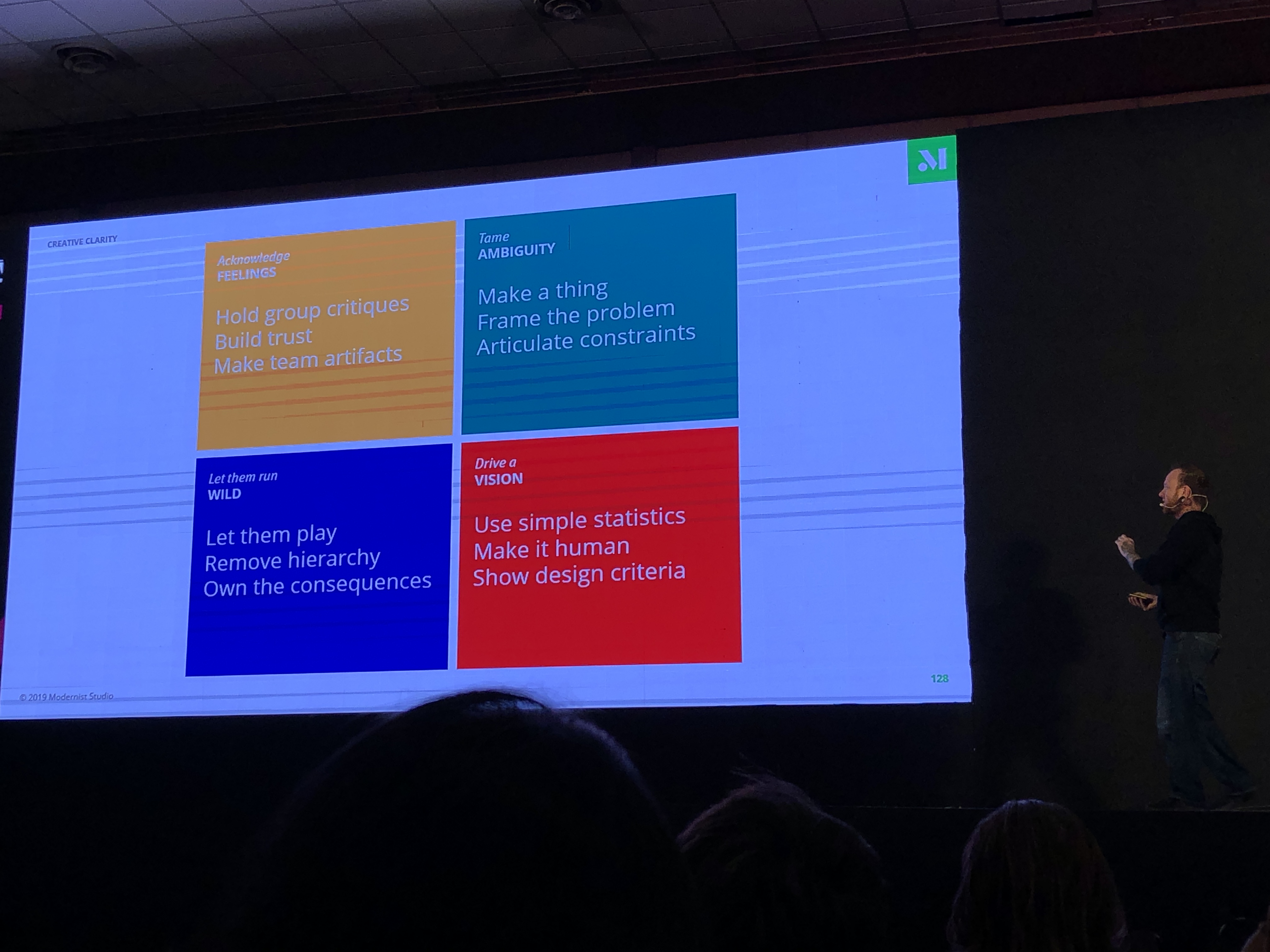
Jon talked about four ways in which design leaders can help to enhance creativity of their teams – to acknowledge feelings, tame ambiguity, drive a vision and let teams run wild. For example, designers feel vulnerable when putting up their work for a critique, so respect and acknowledge that. In a critique, he said, there should be no hierarchy. The highest paid person in the room is equal to everyone else, it should be a democratic process so foster trust. Another aspect of a design leadership is to set a vision – frame the problem and humanize it.
“Show the team why there’s a reason to believe. Bring the design criteria to life.”
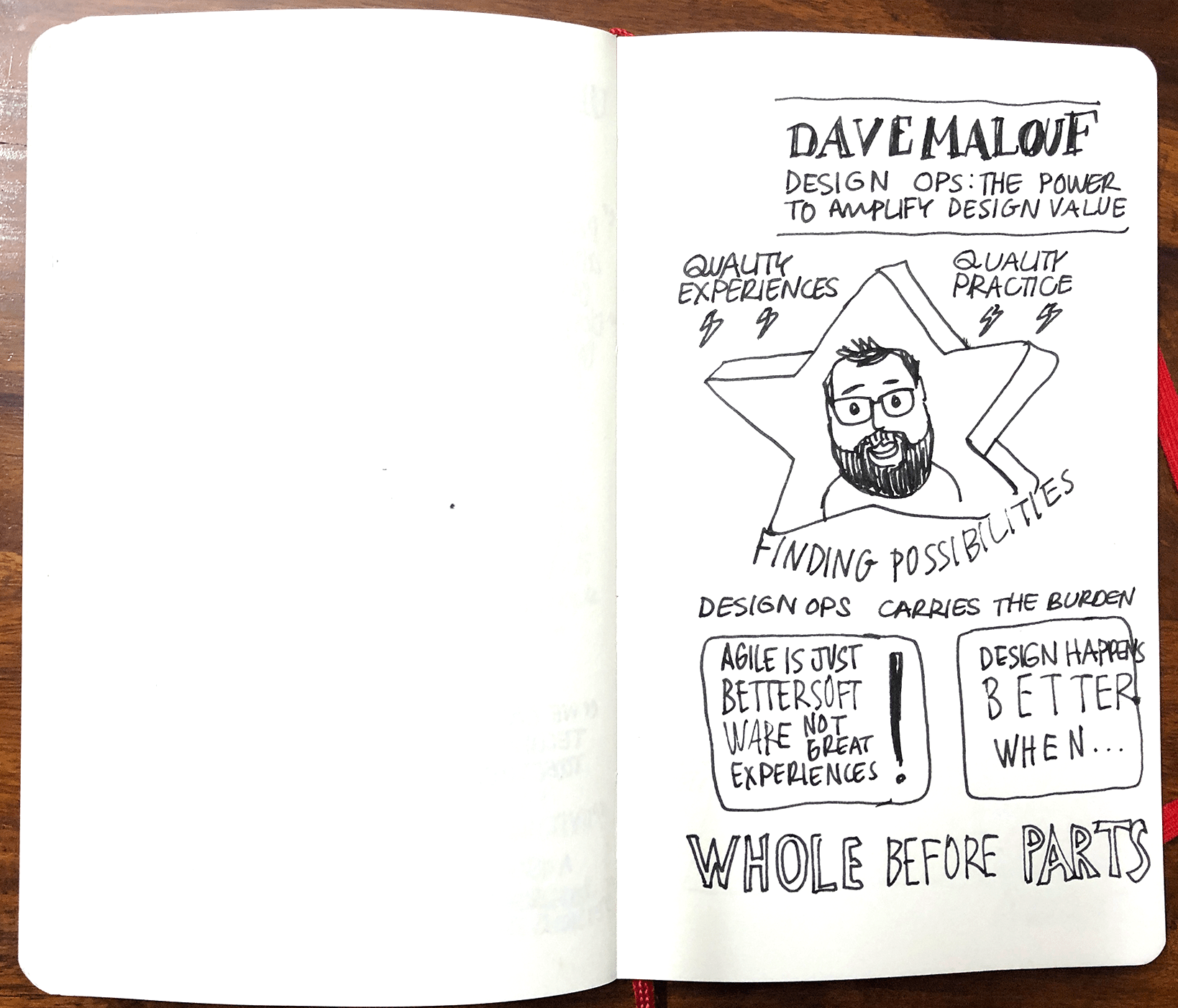
Dave Malouf: Design Ops – The power to amplify design value
Dave’s talk finally gave me a name to some of the activities I’ve been engaged in over 2019 – hiring and setting up the design team and the comms for Microsoft Edge Design in India. For a long time, until I heard from Dave, I didn’t really think I was doing real “design” – but I realized after this talk, that I was setting the foundation for the team now to start performing at their best.
Design Ops basically creates time for design teams by streamlining effort and communication, to focus and put their best energy on the most creative aspects of the work. For scaling a design team and ensuring a quality practice that creates quality experiences, design ops is a must. Dave’s talk focused on principles and values to guide with.
“So that we mutually understand and value what is quality design output, AND quality practice is. Design Ops carries the burden.”
Socialise design quality
Quantify it
Critical design language
Monitor to learn and adjust
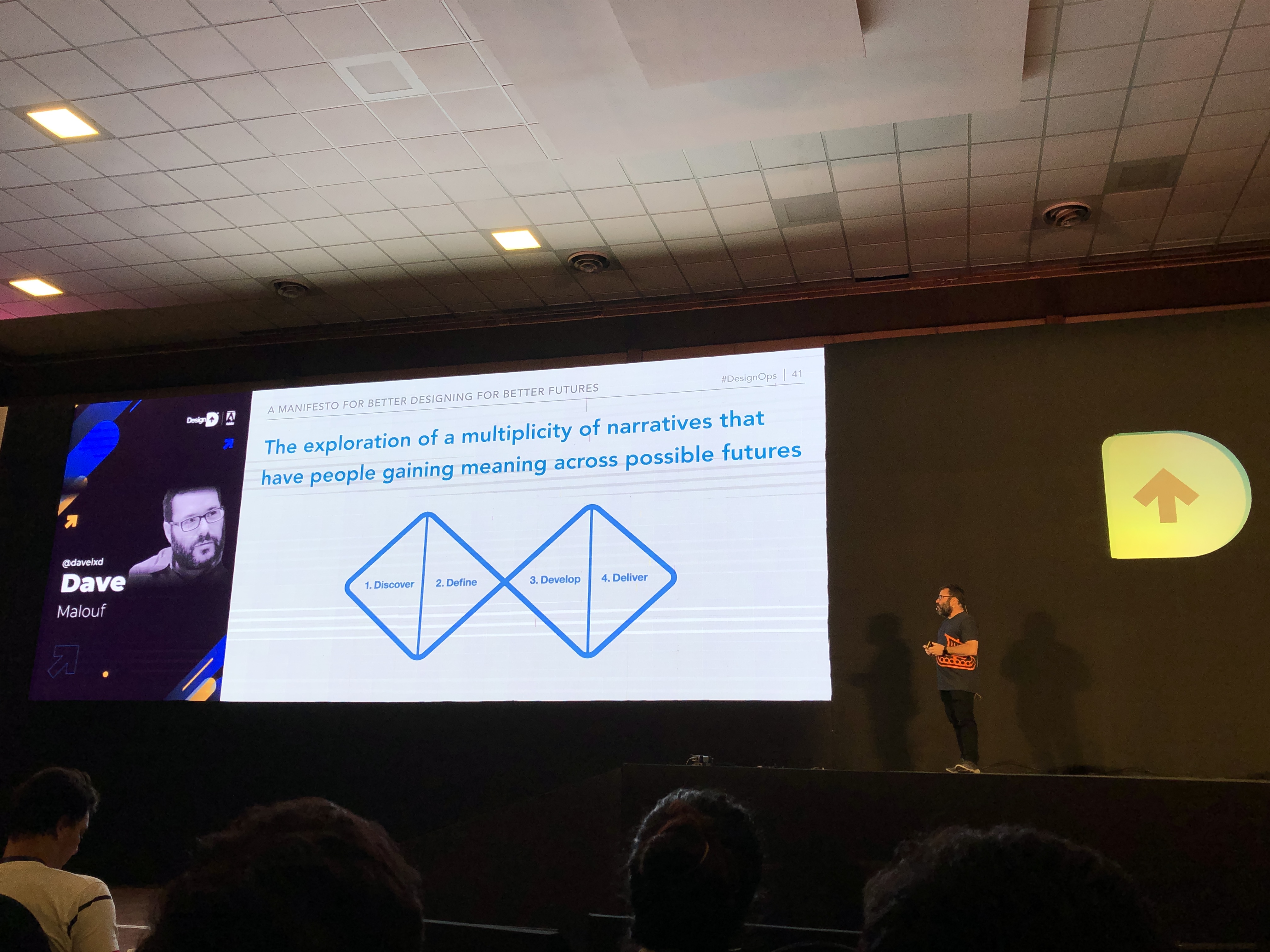
The design process (and proud to say we use the shiny double diamond in our team) that helps to explore multiple approaches:
Dave also explained how should design teams use quantitative and qualitative data:
Methods for collecting the right data as part of the design process
Instrumentation to be built in to capture the right data
Dashboards to turn data into insights
BTW, Dave founded the ixda – and that’s where I learnt how to be an interaction designer way back in 2004…
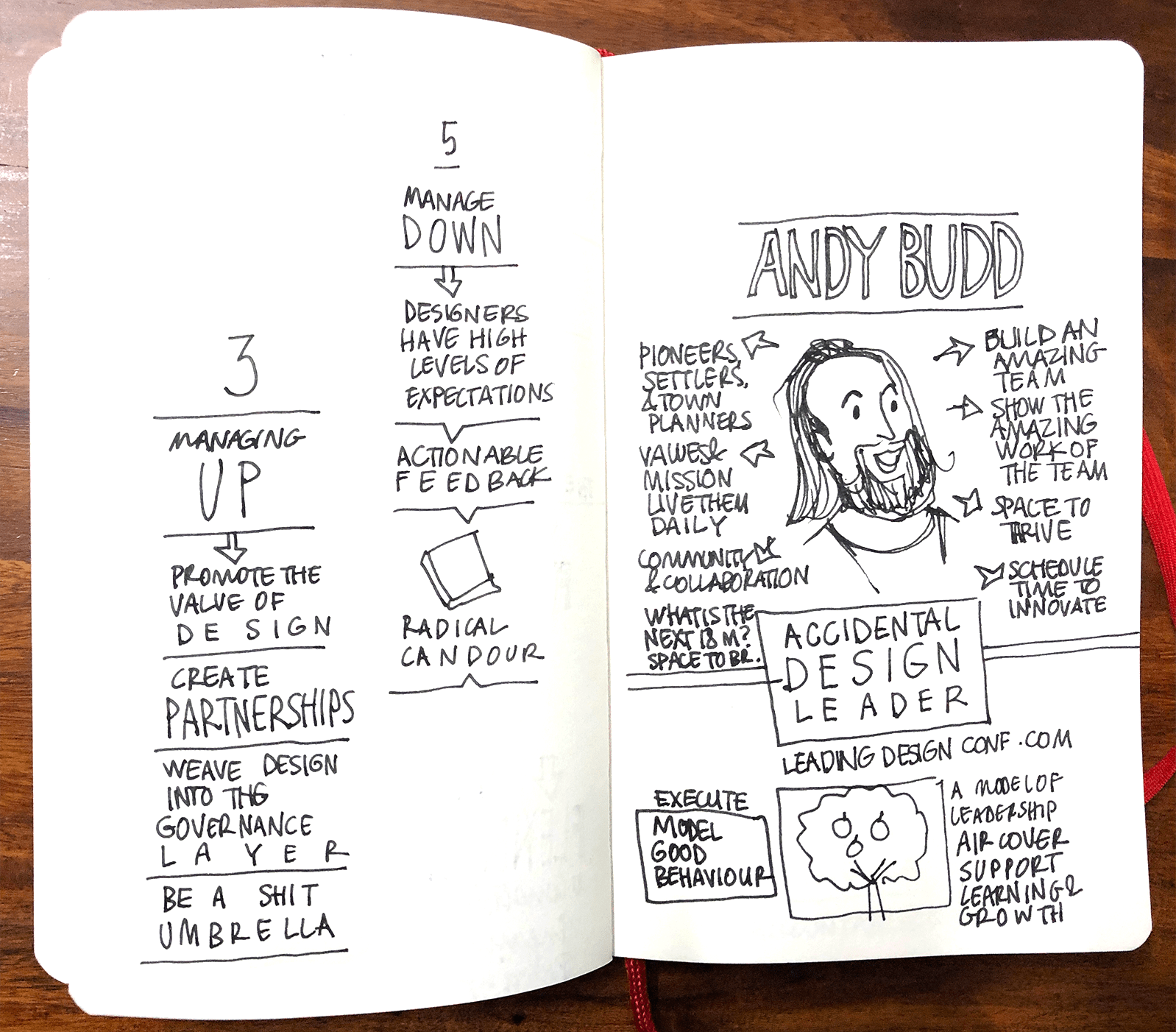
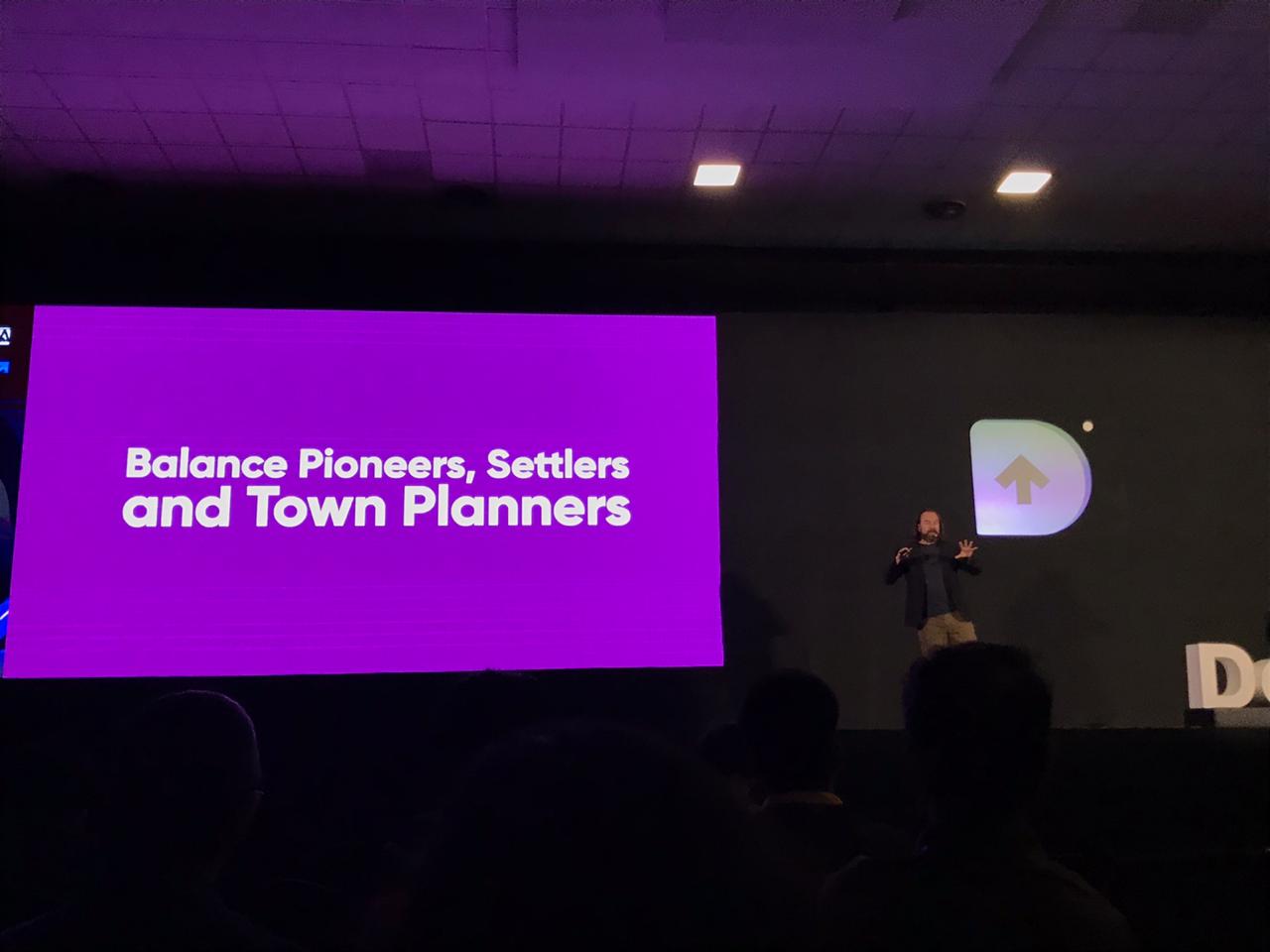
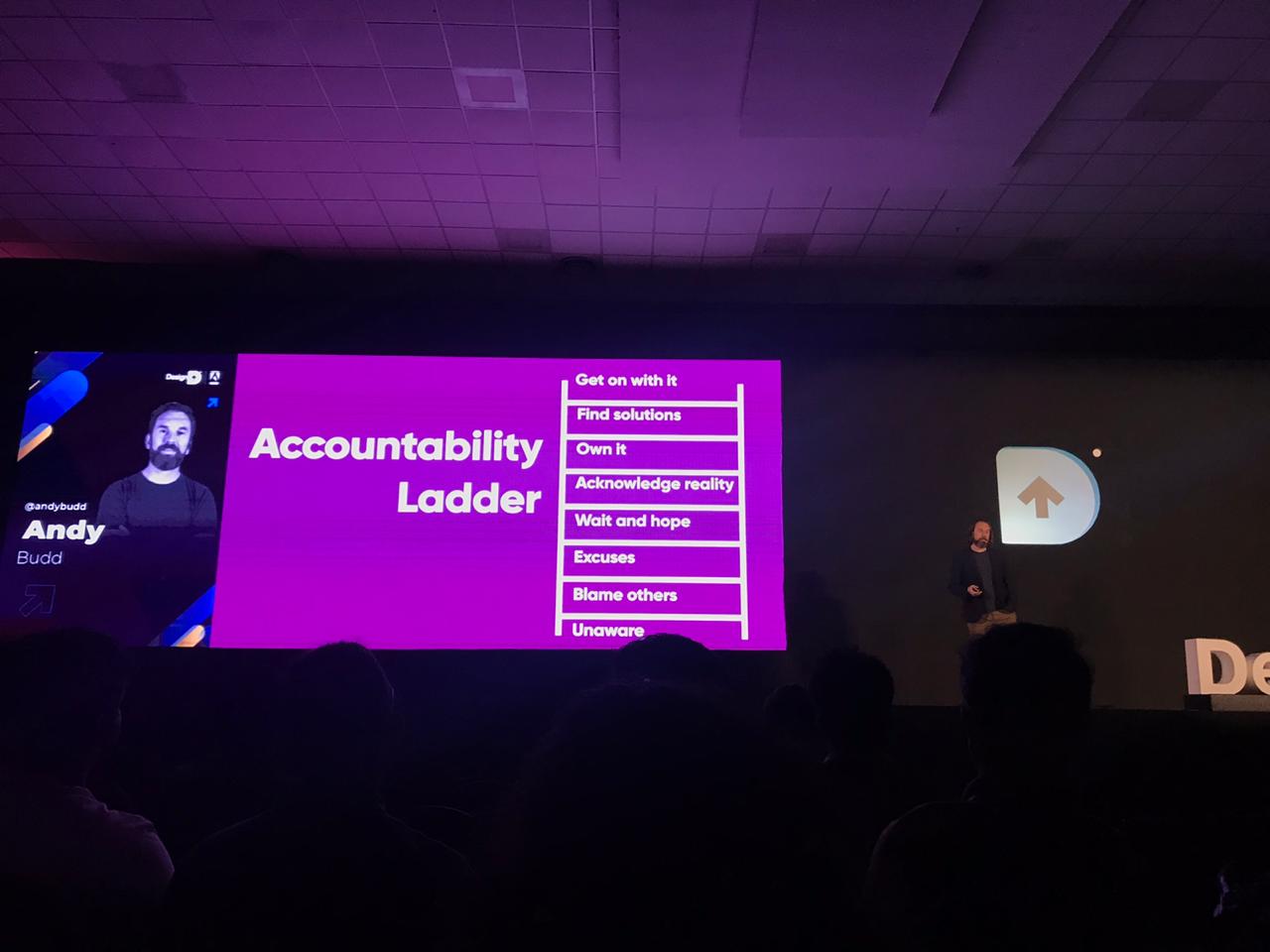
I had been reading Andy’s blog since 2004, and he was one of the early designers, and his talk was about the roles and responsibilities of design leaders.
An absolutely fantastic talk that made we wish I had a design mentor back when I was struggling to understand how to lead design teams. Now after 5 years or so, I may have learnt all these, only with a few battle scars and heart burn.
Andy talked about 5 things: Hiring the right designers for your team, retaining them and helping them stay creative, giving them the space to thrive and managing up and down.
The ideal talent pyramid
“Give your team the air cover to support learning and growth.”
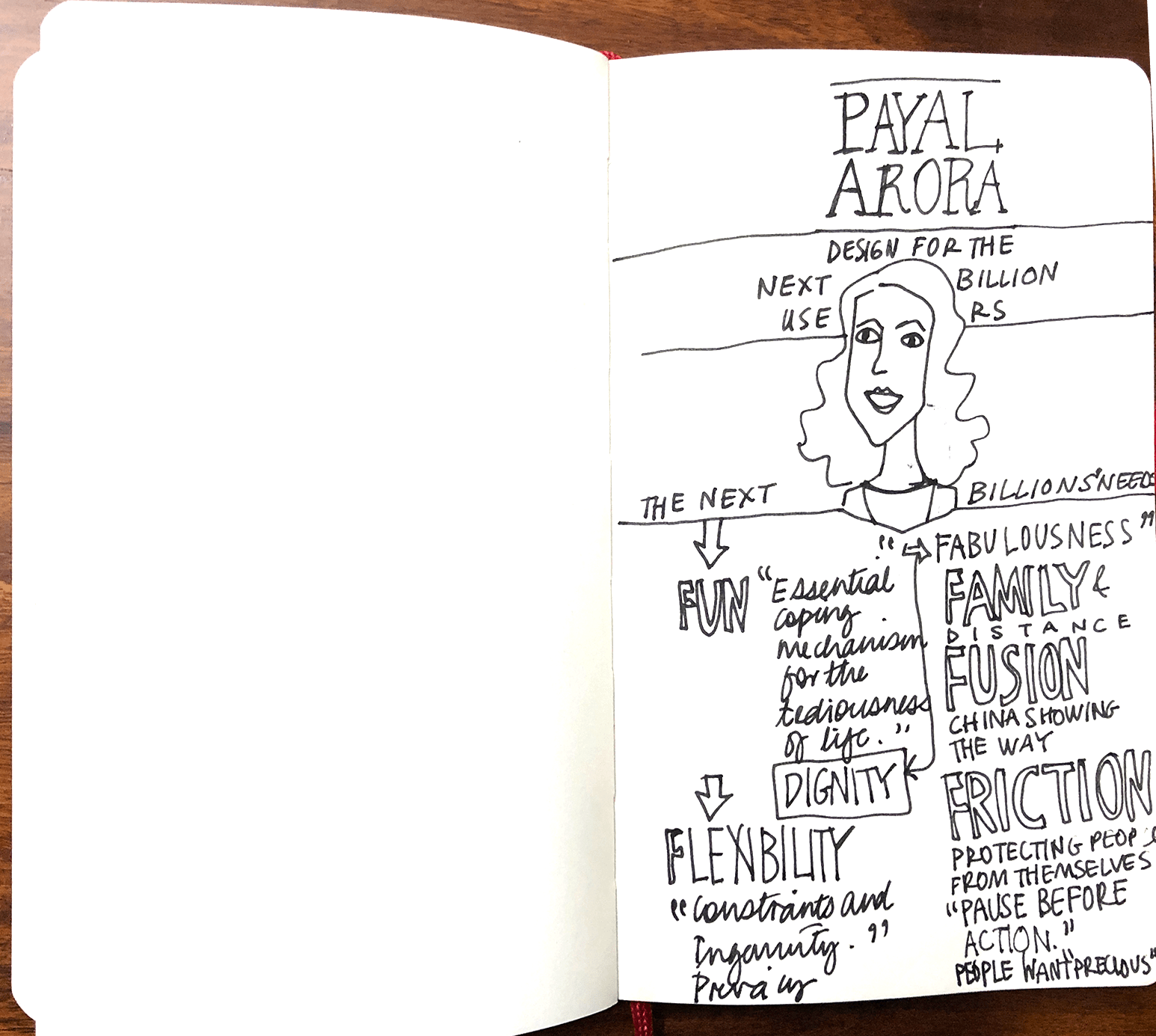
Payal spoke about the 5 needs of the next billion users: Fun, Flexibility, Family, Fusion and Friction, and the need to understand the nuances of contexts.
“We need friction to protect people from themselves – to provide a pause before action.”
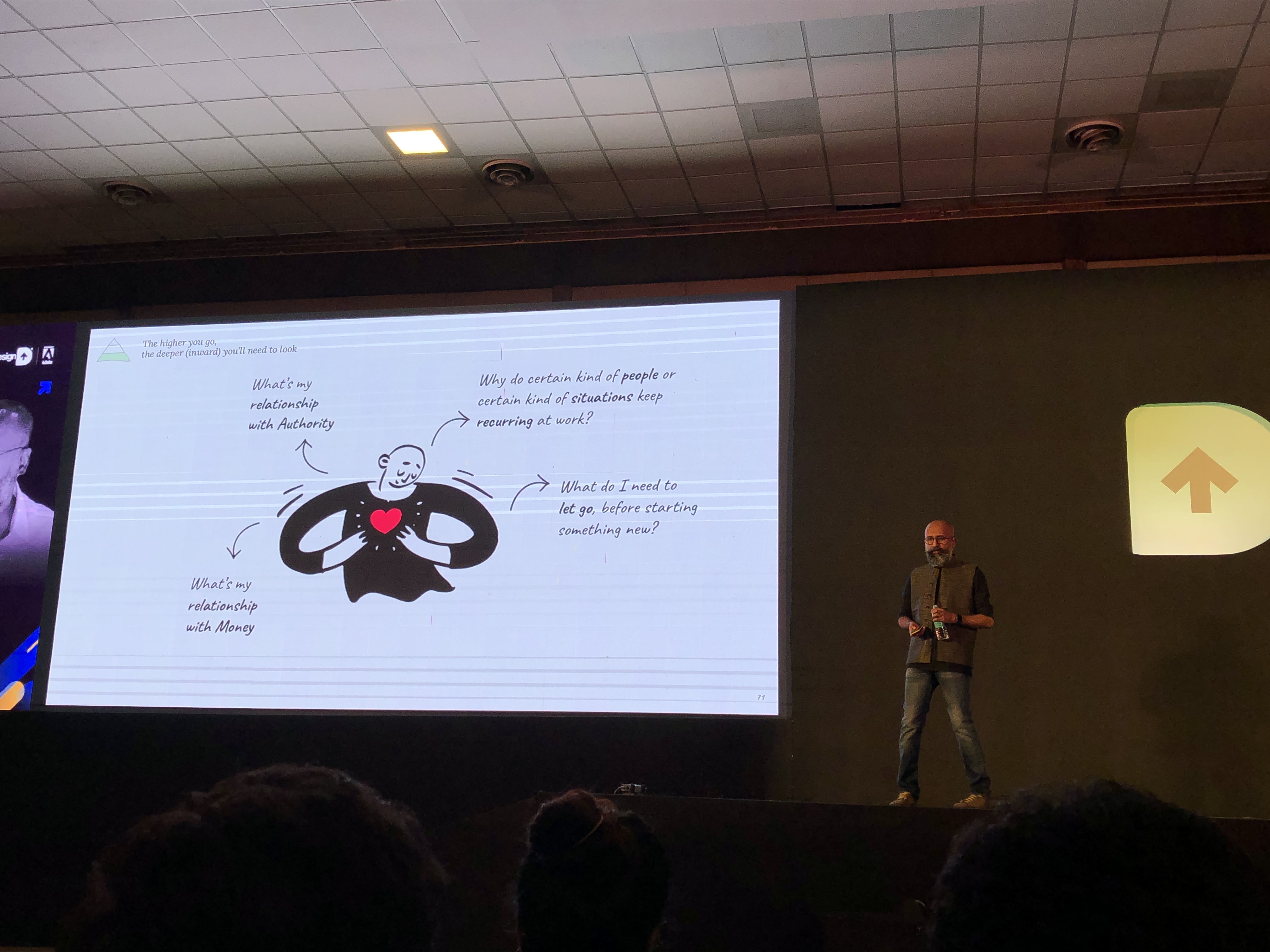
Another awesome talk which I couldn’t draw – because my pen had run out of ink – was “Design Leadership without losing your hair” by Param Venkataraman.
“The higher you go, the deeper you need to look.”
What was nice was that lots of speakers recommended books like Orbiting the giant hairball, Design the life you love, etc. There were so many more talks that were happening in parallel that I missed, including Alyssa Naples’s talk. It was really difficult to be at each of them. Plus there were all the wonderful conversations that happened at the edges of the conference.
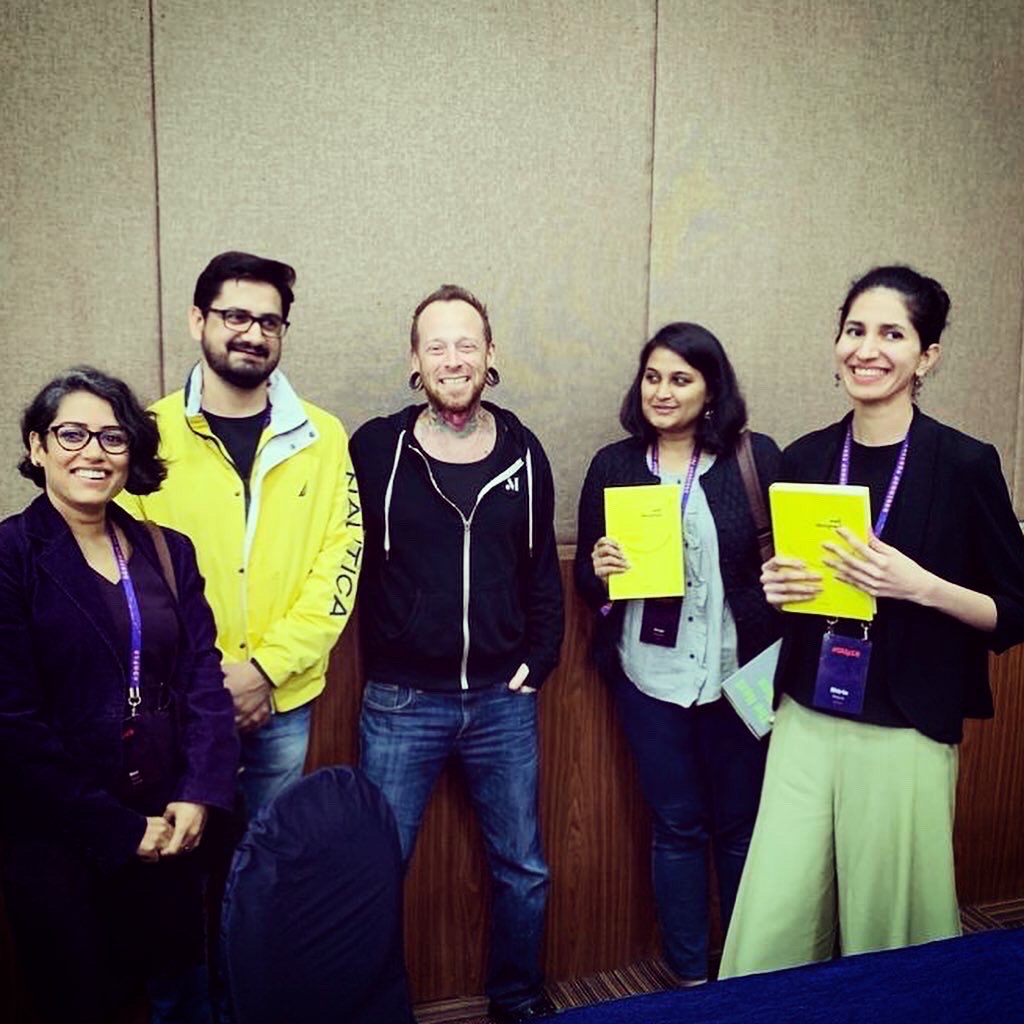
The Microsoft Edge designers getting their books signed by Jon Kolko
All in all, a great conference – lots of validation, new learning, new ideas and new people to connect with! Looking forward to the next!
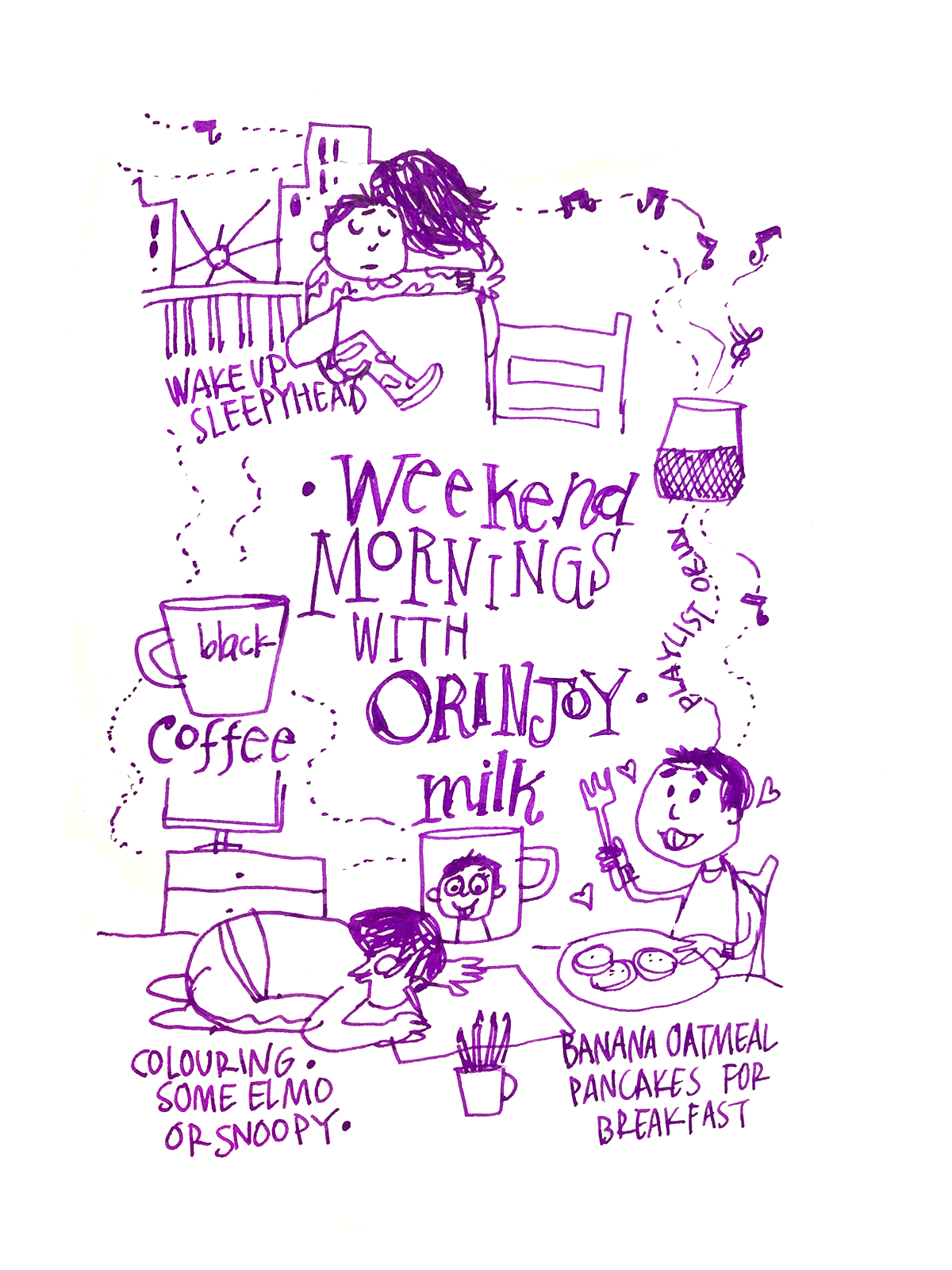
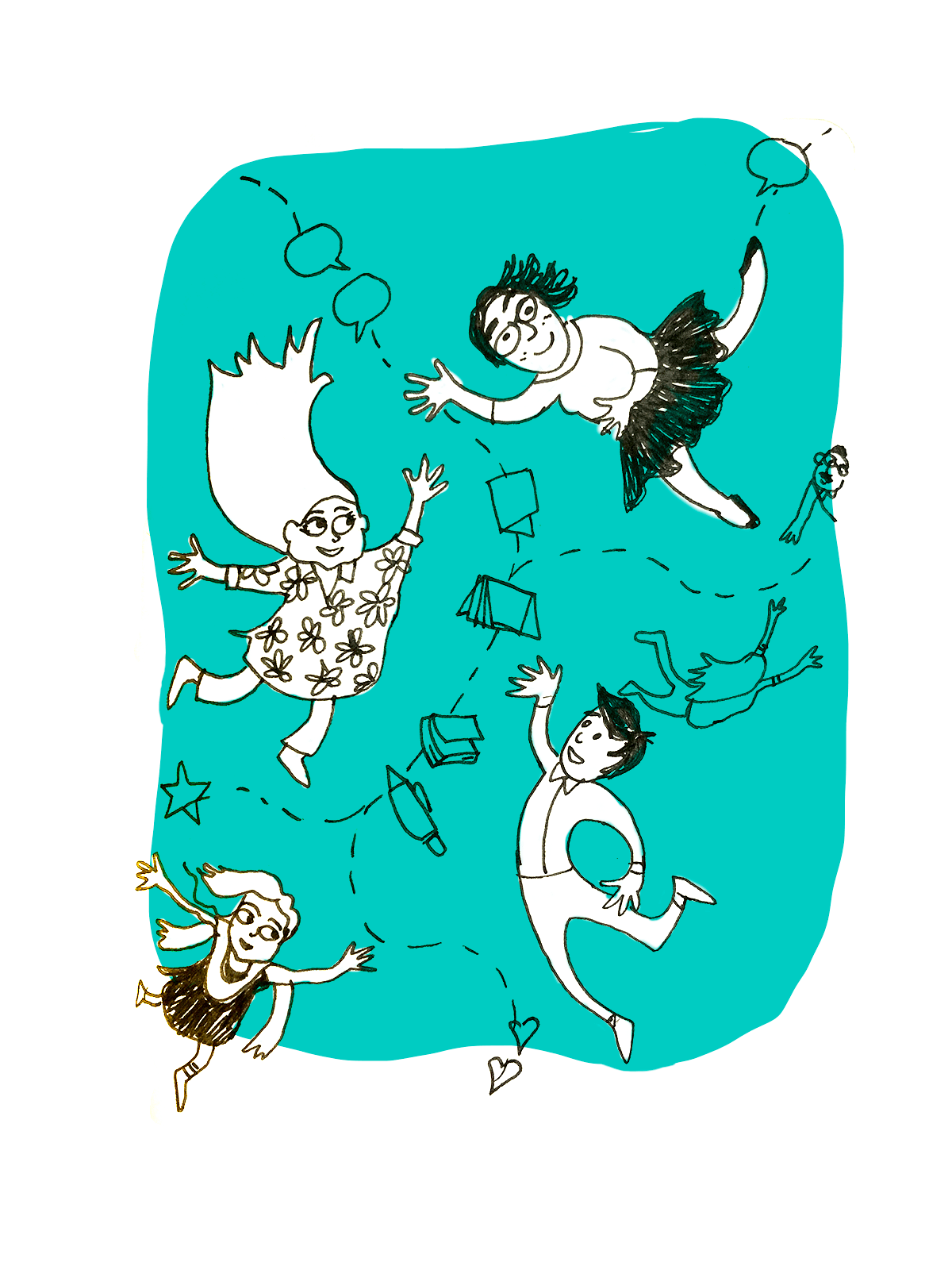
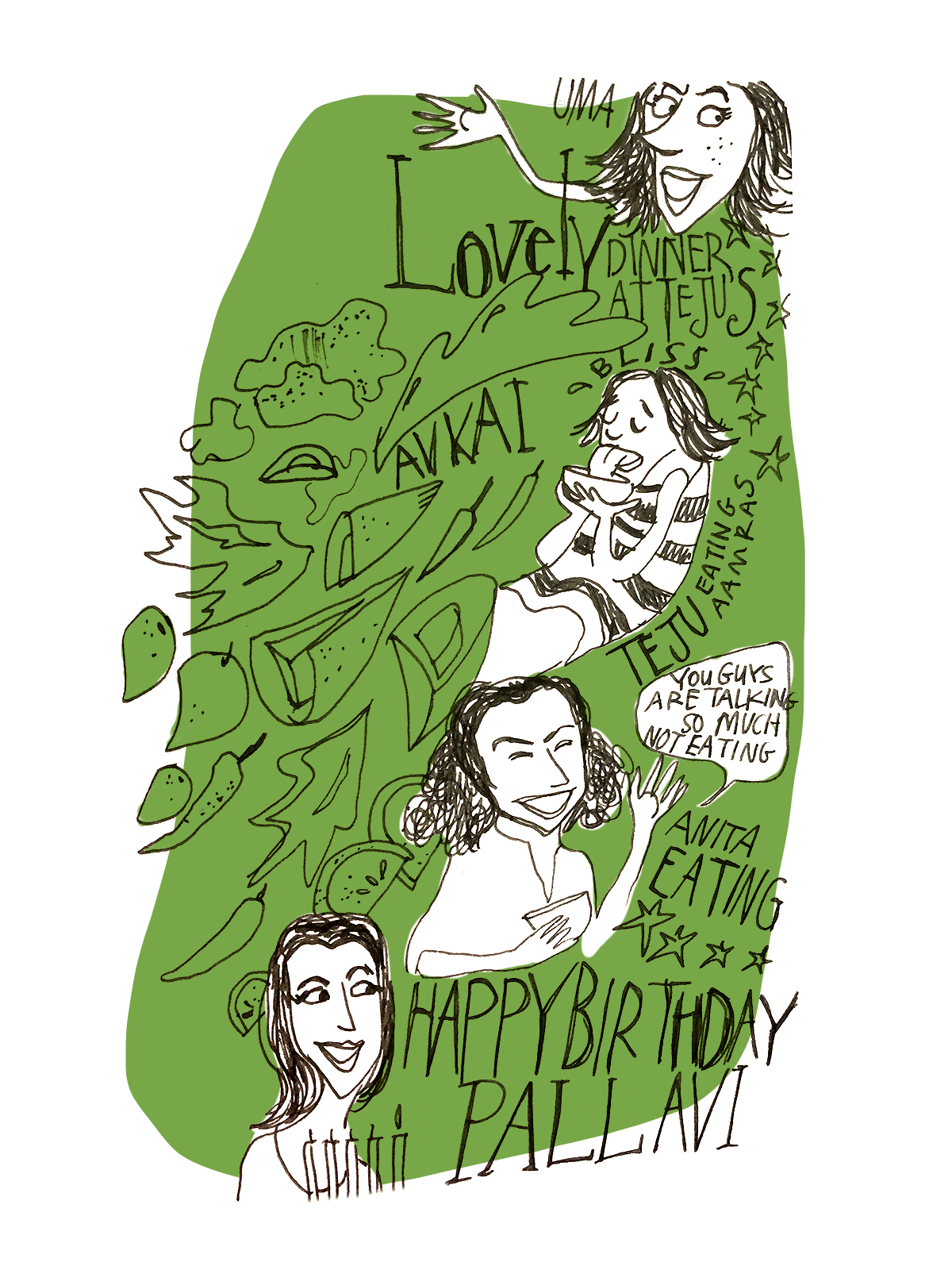
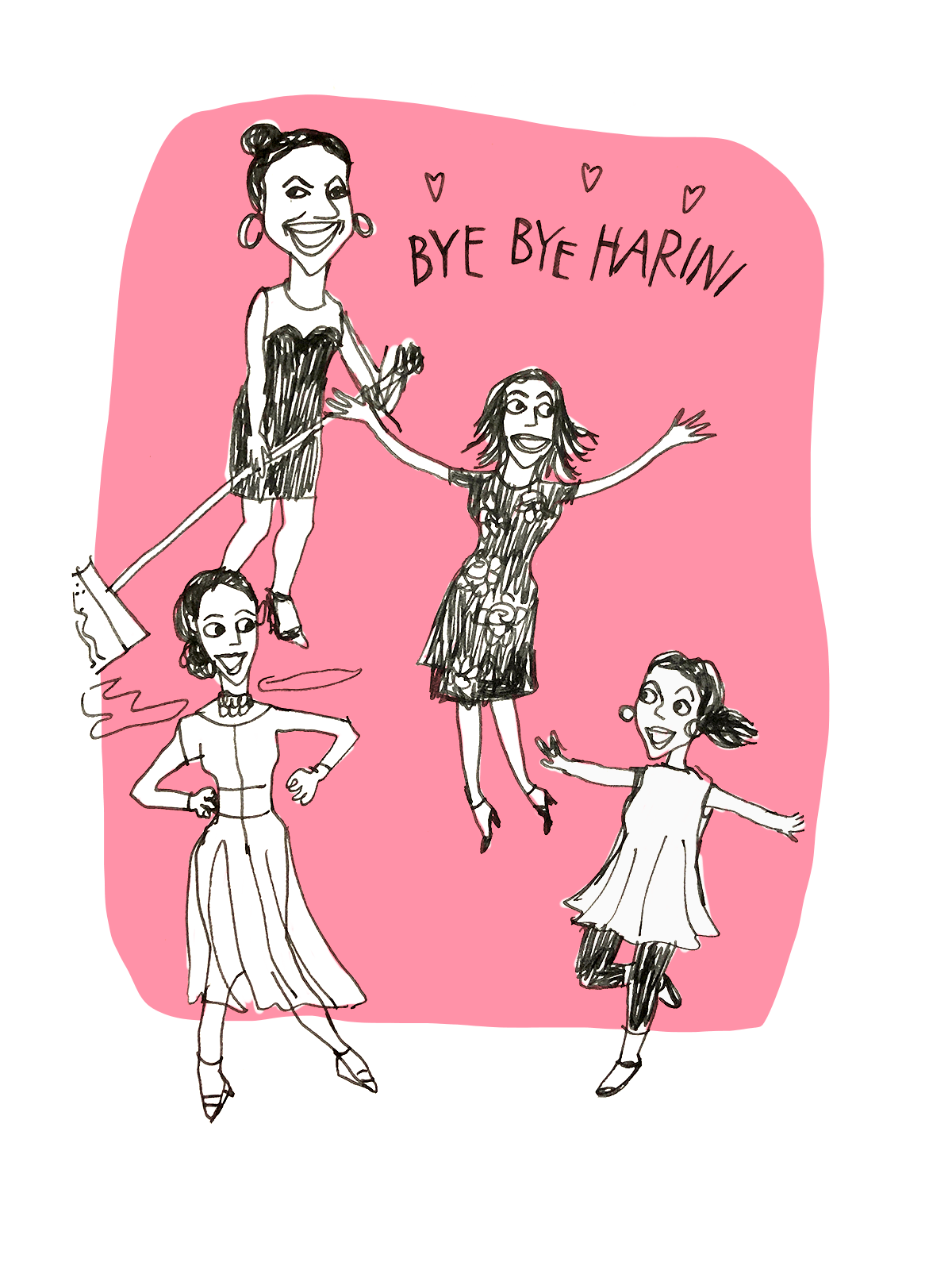
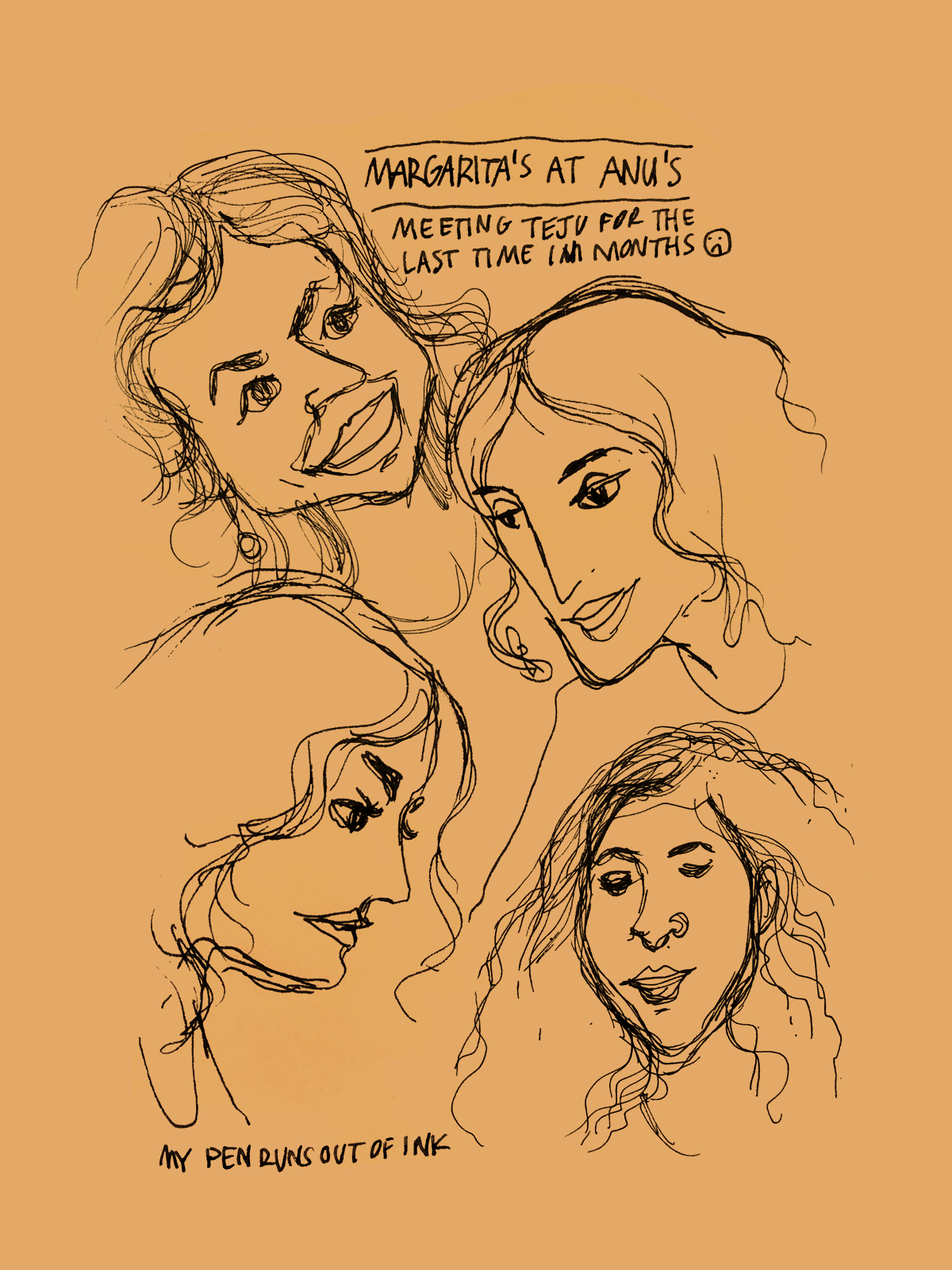
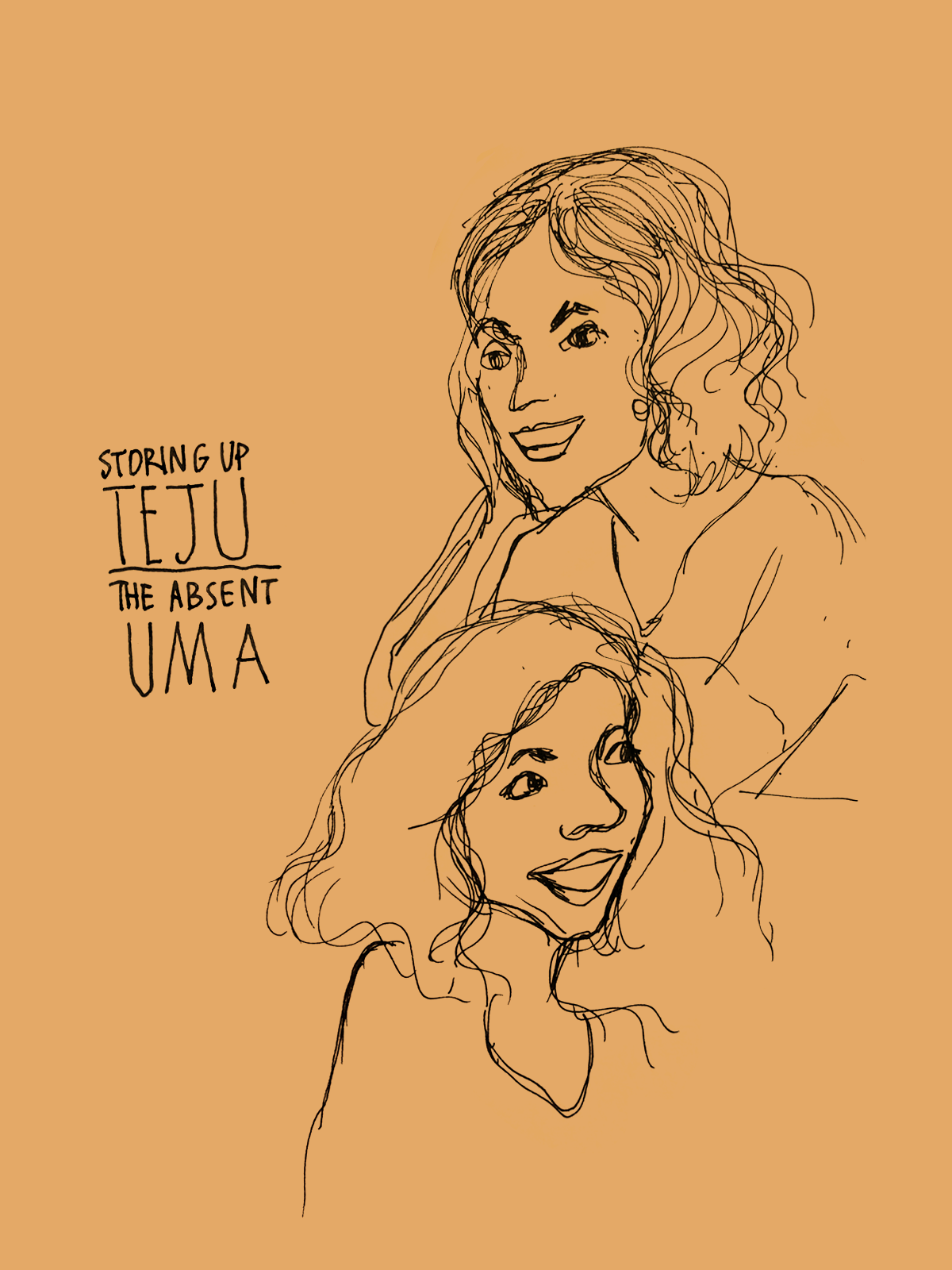
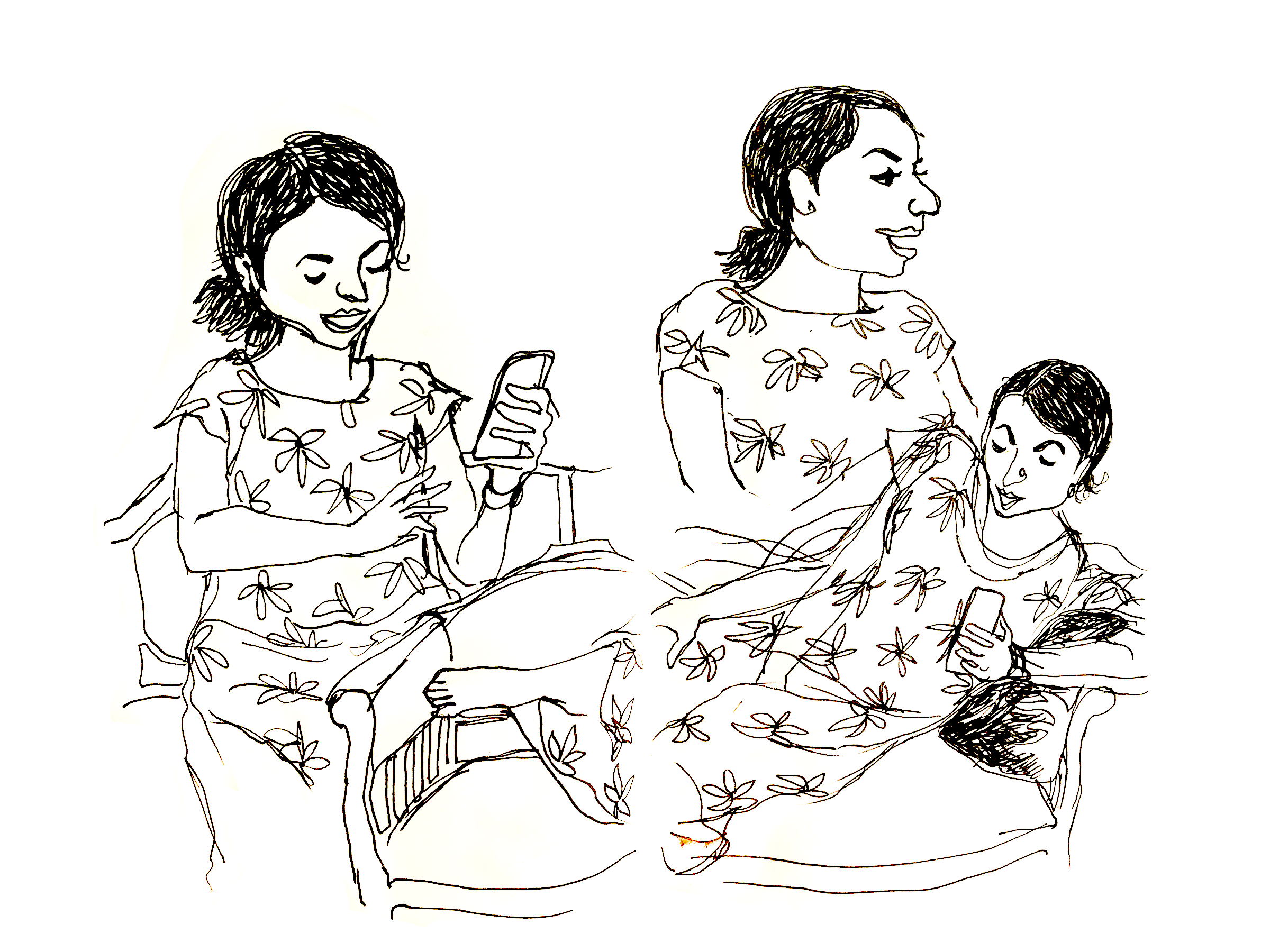
Drawings from my journals about some of the lovely people I have met here. Most of these are drawn from memory, like cartoonists often tend to do, but the discipline of drawing from life is always required.
This was drawn the day I started feeling like I belonged…
A lovely Andhra dinner at Teju’s – it was also our friend Pallavi’s birthday that day.






 inktales